
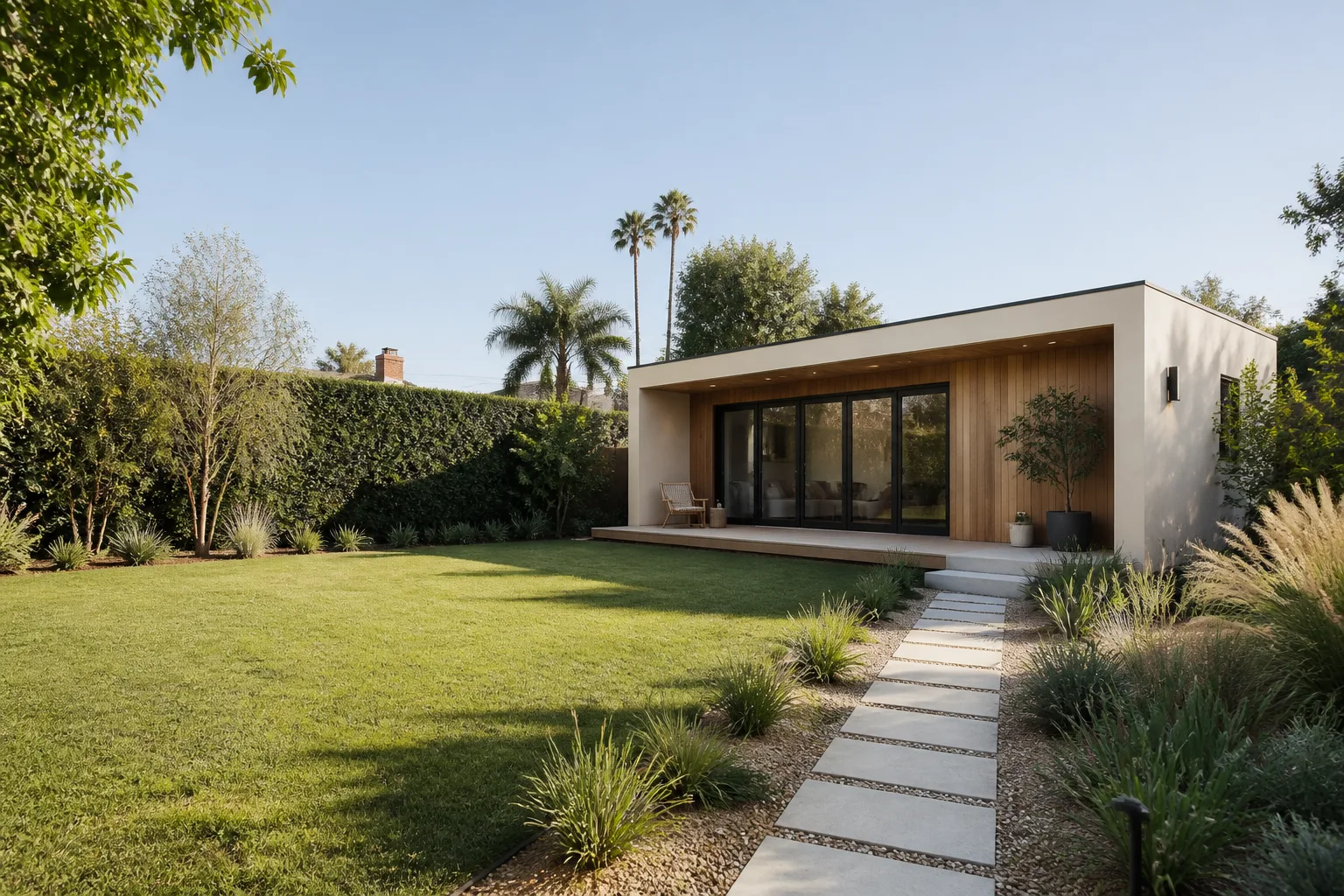
Cover Junior ADU Conversion: The San Francisco Owner’s Guide
If your Cover unit’s junior ADU conversion is failing, we stock the replacement parts and install them across San Francisco, typically for $900 to $2,600 depending on the component and your unit’s build year. Most owners discover the problem the same way: a door that no longer seals against the fog, a cabinet track that binds in the damp air, or a fold-down bed mechanism that groans when it moves. You’ll get a written price before we start, and the part will be matched to your specific Cover model, not adapted from something close enough.
This page covers what actually fails on Cover junior ADU conversions in San Francisco, what the parts cost, and how to tell whether you’re looking at a simple swap or something deeper.
Which Cover Models This Applies To
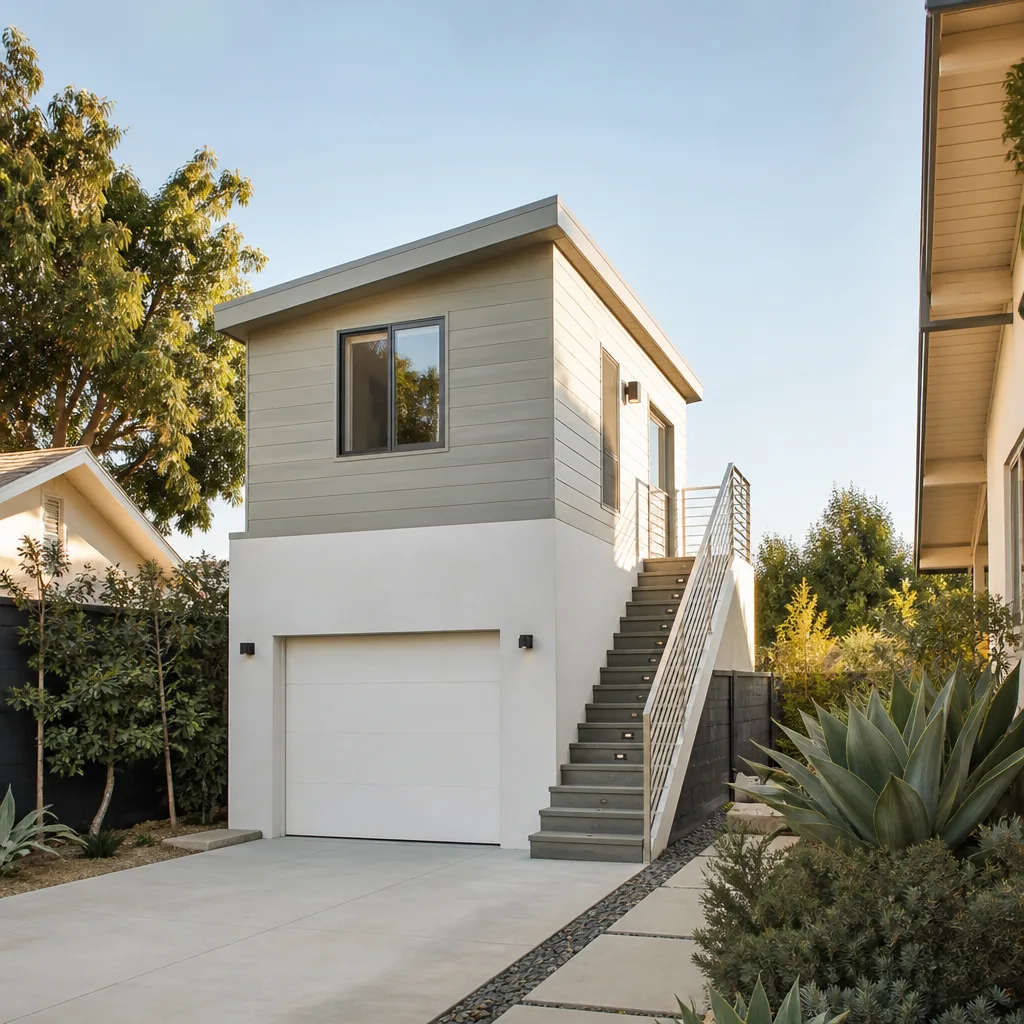
We work on Cover units built from roughly 2018 forward, including the Cover 1 and Cover 2 series, and the more recent units with the integrated murphy bed and folding partition systems. The compatibility gotcha with Cover is this: the junior ADU conversion hardware changed in mid-2021. Pre-2021 units used a wall-track system with 32mm mounting centers, and the 2021-and-later units moved to a 40mm center with a different latch profile. The parts do not interchange, even though the visual difference is subtle. If you’re not sure which you have, look for the laser-etched part number on the lower track bracket: pre-2021 starts with “CV1,” mid-2021 and later starts with “CV2.”
For Cover specifically, we recommend OEM parts in most cases. The aftermarket alternatives for these conversion systems tend to be generic RV or cabinet hardware that doesn’t hold up to daily use in a living space. Cover’s OEM hardware is specced for residential duty cycles, meaning the hinges and tracks are rated for thousands of open-close cycles rather than the few hundred a travel trailer sees. That matters in San Francisco, where a junior ADU is someone’s full-time home, not a weekend toy.
Signs Your Cover Junior ADU Conversion Is Failing
- The fold-down bed sticks or drops a few inches when you pull it. This is almost always the gas strut losing pressure. Cover units in San Francisco see this sooner than units inland because the constant temperature swings between the fog line and the afternoon sun stress the seals on the struts. A worn strut makes the bed feel heavy, then suddenly light, then heavy again.
- The room divider no longer latches fully at the top or bottom. The latch striker plates on Cover’s conversion system are adjustable, and they drift over time, especially in older San Francisco buildings where the floor settles. If you have to lift or shove the panel to get it to catch, the striker is out of alignment and the latch is wearing against the plate edge.
- You can hear the track rollers grinding or clicking when the bed or divider moves. Rollers on Cover units are nylon on steel, and they pick up dust and hair that works into the bearings. Once a roller stops spinning freely, it flat-spots, and then every movement grinds metal on metal. Left alone, the flat-spotted roller scores the track, and you’re replacing the track too, which doubles the parts cost.
- The conversion hardware pulls away from the wall or ceiling at the mounting points. This is the one to take seriously. Cover’s junior ADU conversion carries real weight, and if the anchors are loosening or the wall framing behind them is soft, the whole assembly can sag. In San Francisco’s older Victorians and Edwardians, we’ve seen lag anchors that were sunk into plaster and lath rather than studs, and they fail slowly until the panel sags a visible half inch.
- The finish is bubbling or flaking around the conversion hardware. San Francisco’s fog and marine air is rougher on surface hardware than most people expect. Once the powder coat or anodizing is compromised, the underlying steel starts to rust, and the rust stains whatever it touches. This is most common on units within about ten blocks of the water.
Replacement Cost & What’s Included
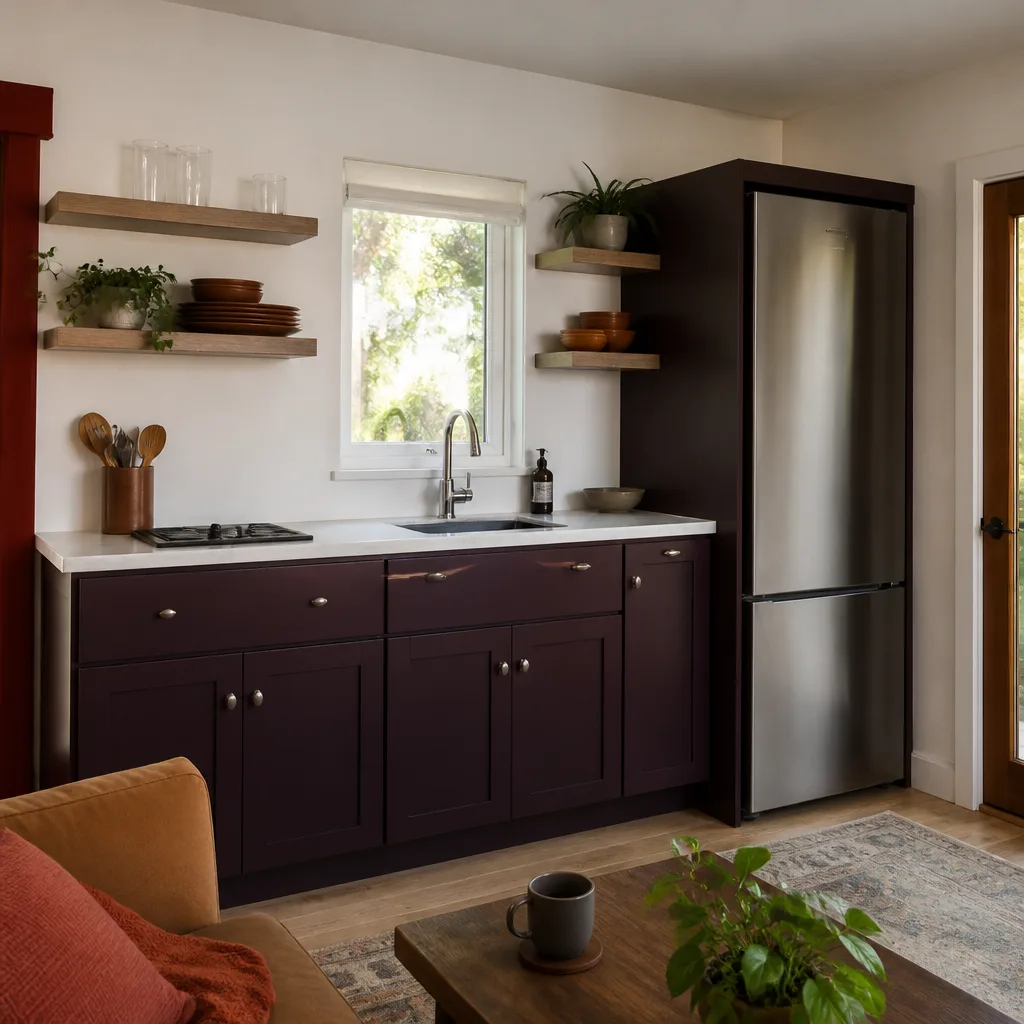
For a typical Cover junior ADU conversion part replacement in San Francisco, you’re looking at:
- Gas struts (pair, OEM Cover spec): $180 to $340 installed
- Track roller set (bed or divider): $220 to $410 installed
- Latch and striker plate assembly: $150 to $290 installed
- Full track replacement (one panel run): $480 to $900 installed
- Mounting anchor repair (including wall reinforcement): $350 to $800 installed
- Complete conversion system reconditioning (all wearable parts): $1,200 to $2,600 installed
The range depends on your Cover unit’s build year, whether the mounting surface needs reinforcement, and how much disassembly is required to reach the hardware. Every quote includes the parts, the labor, and the cleanup. You get a written price before any work starts, and the work carries the 365-Day Done Right Promise in writing. If the part fails or the repair doesn’t hold within that year, we come back at no charge.
DIY or Call Us?
You can safely identify which part is failing by watching and listening to the mechanism as it moves, checking for visible wear on the rollers, and looking for sag or gap at the mounting points. What you shouldn’t do is remove a loaded fold-down bed or a hanging partition panel on your own. The gas struts and the torsion hardware are under constant tension, and the panels are heavier than they look. If a strut or a mounting bracket lets go while the panel is partly detached, it drops fast and takes a lot of energy with it. We’ve seen the aftermath of a DIY attempt that turned a $200 strut replacement into a wall repair and a new panel. If the panel is sagging or the hardware is pulling away, call us at (707) 760-0502 and describe what you’re seeing. We’ll tell you over the phone whether it’s urgent or just annoying, and we’ll give you a real number before we come out.
FAQs
In San Francisco’s climate, the wearable parts on a Cover conversion typically last 5 to 8 years with daily use before they need replacement. Gas struts tend to go first, usually around the 5-year mark, because the bay area’s temperature fluctuations cycle the internal seals more than steady climates do. Track rollers generally outlast struts by a couple of years. Hardware that lives closer to the ocean, within about a mile of the coast, rusts and wears measurably faster. If you replace worn parts before they fail completely, you’ll usually avoid damage to the track and mounting points that turns a simple swap into a bigger job. Call (707) 760-0502 if you’re noticing early signs, and we’ll give you an honest read on how much life is left.
Sometimes a latch or striker plate can be realigned and adjusted rather than replaced, and that’s a service call, not a parts job. Gas struts and track rollers cannot be meaningfully repaired: once a strut loses pressure or a roller flat-spots, the only correct fix is a new part. We’ll always tell you if the problem is an adjustment rather than a replacement, because there’s no reason to sell you a part that isn’t needed. Call (707) 760-0502 and describe what’s happening; we’ll tell you whether you’re looking at a tune-up or a swap before we ever schedule a visit.
Most single-part replacements, a strut pair, a roller set, a latch assembly, take about 60 to 90 minutes once our technician is on site. A full track replacement or mounting anchor repair is more involved and typically runs 3 to 5 hours, depending on what’s behind the wall surface. We schedule a defined arrival window and we show up in it, so you’re not burning a day waiting. The work area is cleaned up before we leave, which means no metal shavings or old hardware left on the floor of your ADU.
We stock the most common Cover junior ADU conversion wear parts on our service vehicles, including struts, roller sets, and latch hardware for both the CV1 and CV2 series. That means most San Francisco calls are completed in a single visit. For less common parts, longer track sections or specialty mounting hardware, we source directly from Cover’s parts channel and schedule the install once the part arrives. We also work with Abodu and Dvele units, so if you own a different prefab ADU, we can likely help with that too. Call (707) 760-0502 and we’ll confirm what we have on the truck for your specific unit.
Tell me what the space needs to do, and we’ll figure out how to build it right. Russ Delmar and our crew have been working on San Francisco ADUs for close to a decade, including Cover units within a few blocks of Dolores Park where the Victorian lot lines make every project its own challenge. We’re an independent service provider, not affiliated with Cover, but we know their hardware cold.
If your Cover junior ADU conversion is failing, call (707) 760-0502 for a free estimate. A live person answers, 24 hours a day, and you’ll get a written price before any work begins.
Written by Russ Delmar, Owner, Lodgewick ADU San Francisco at Lodgewick ADU San Francisco, serving San Francisco and nearby areas.


