
Boxabl Site Prep & Utilities: The San Francisco Owner’s Guide
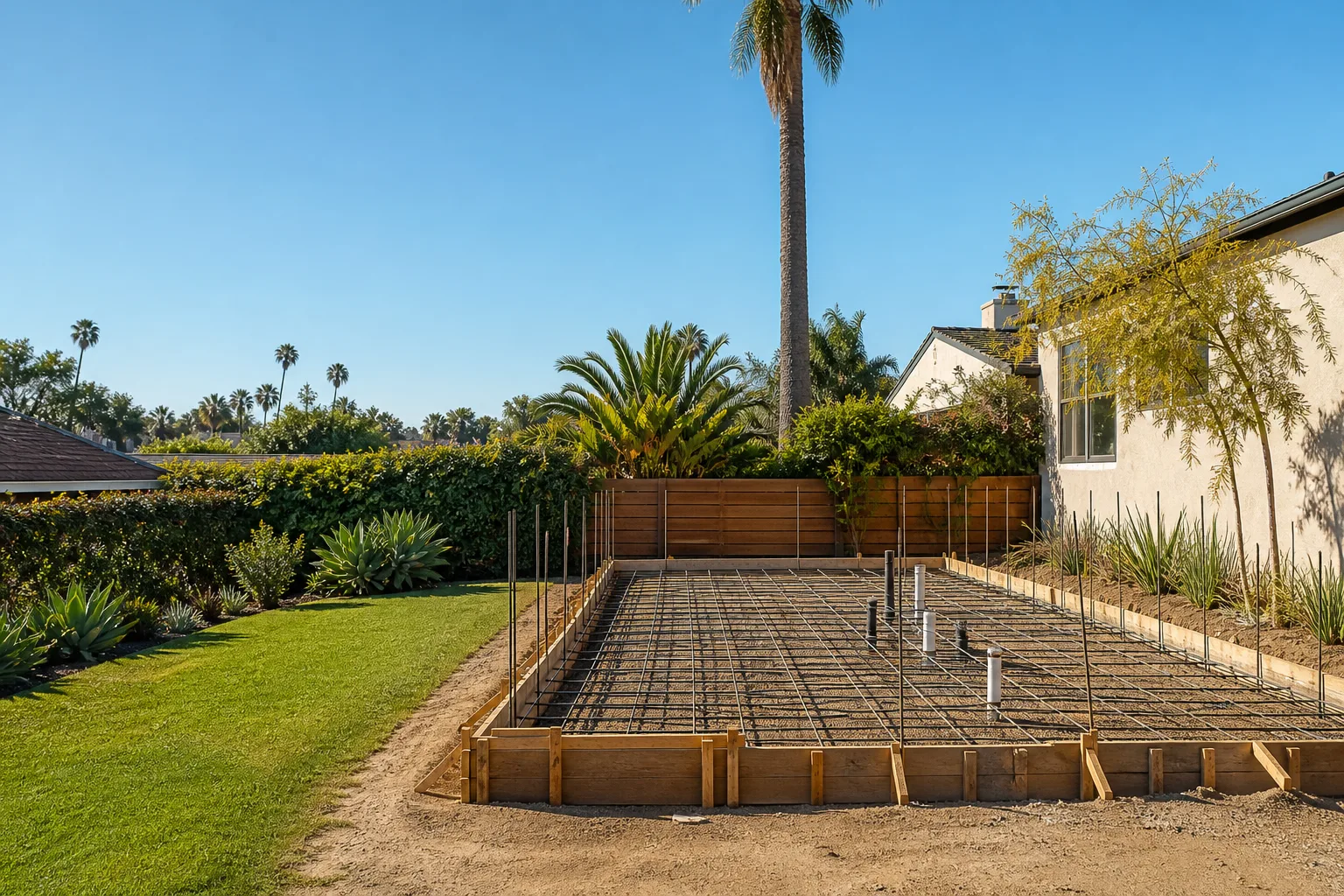
Site prep and utility connections for a Boxabl in San Francisco typically run $18,000 to $45,000 installed, depending on how much trenching, grading, and panel work your lot requires. We stock the common Boxabl-compatible connection hardware on our trucks and can usually start within a week of your written estimate. Most owners discover their site prep wasn’t done right when something downstream fails: a sewer line that backs up after the first heavy rain, a main panel that trips when the heat pump kicks on, or a pad that settles and leaves the Boxabl sitting a half-inch out of level.
Site prep isn’t a single part you can order from a catalog. It’s the foundation, the utility trench, the sewer lateral, the water line, and the electrical service that make your Boxabl livable. And here’s the thing we see across San Francisco: most Boxabl owners don’t realize their site prep is failing until it’s already caused damage. A slow drain that’s actually a crushed sewer lateral. A driveway that’s cracking because the pad edge wasn’t compacted right. A 100-amp panel that was never enough for the heat pump, the dryer, and the induction cooktop running at the same time.
Key Takeaways:
- We install and repair Boxabl-compatible site prep and utility connections across San Francisco
- Typical installed cost runs $18,000 – $45,000 depending on trench length, soil, and panel upgrades
- Russ Delmar walks every site before quoting a number, so the written price reflects what’s actually underground
- Every job includes the 365-Day Done Right Promise in writing before work starts
Which Boxabl Models This Applies To
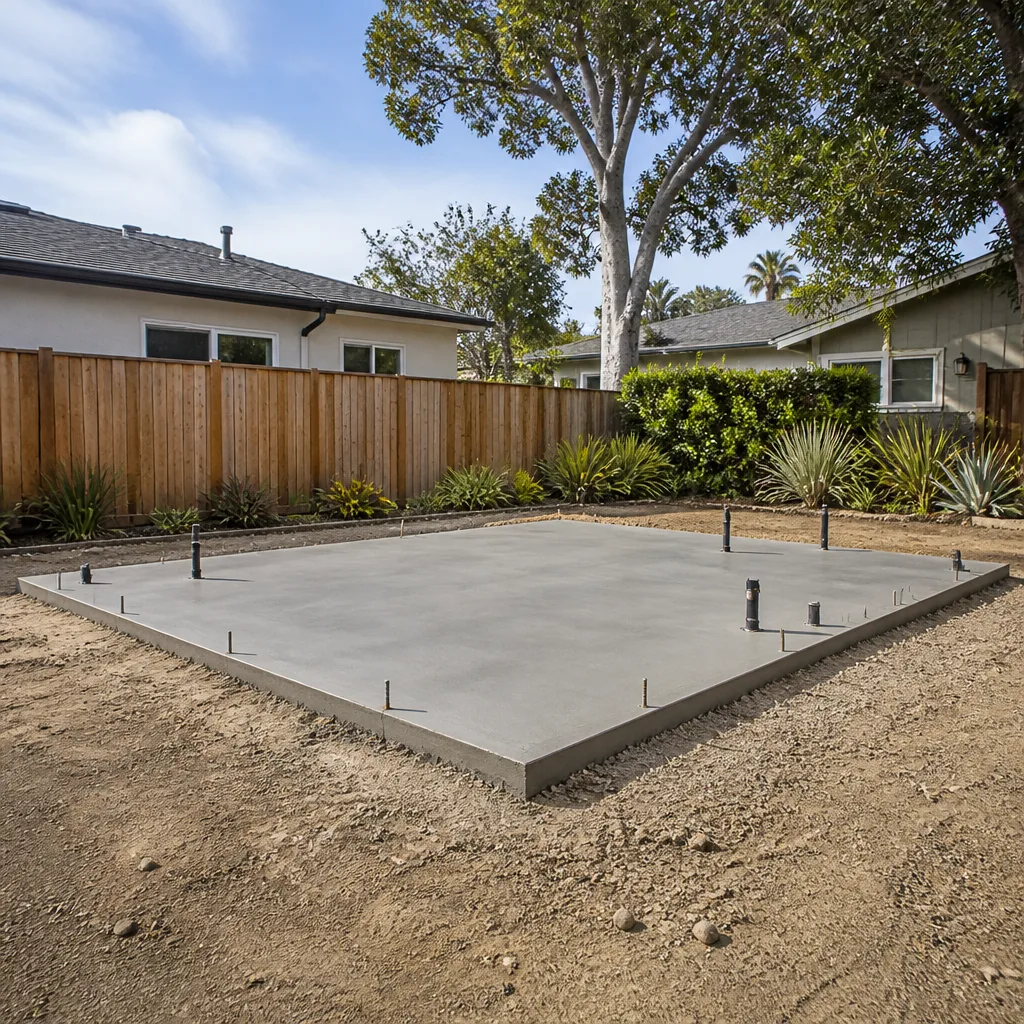
Site prep and utility work applies to every Boxabl model, but the connection specifics change by unit. The Casita ships as a 20-foot by 19-foot module and needs a 100-amp minimum electrical service, a 3/4-inch water supply line, and a 4-inch sewer lateral. Boxabl’s larger models, where configured, can push past 150 amps of demand depending on the appliances installed, and some San Francisco lots with PG&E overhead service need a panel upgrade just to get the Casita energized.
How to confirm what your unit needs: check the utility connection diagram that ships inside the module, usually tucked in the kitchen cabinet above the sink or in the storage area near the door. It lists the exact amperage, water line size, and sewer connection point. We’ve seen older Casitas with labels that list only 60-amp service because the original spec assumed a through-the-wall AC rather than a heat pump. If you bought a used Boxabl or one from an early production run, that label may not match what the unit actually pulls.
On the OEM-versus-aftermarket question for Boxabl specifically: Boxabl doesn’t manufacture the water line, sewer lateral, or electrical panel. Those are standard parts from suppliers like Siemens, Eaton, and Charlotte Pipe. What matters is the spec, not the brand on the box. We match everything to your unit’s diagram and the San Francisco Department of Building Inspection requirements, which is where a lot of out-of-state installers go wrong. San Francisco has its own plumbing and electrical codes layered on top of the California Building Code, and a pad that passes in Arizona doesn’t necessarily pass here.
Signs Your Boxabl Site Prep & Utilities Is Failing
- Water pressure drops when two fixtures run at once. This usually means the supply line was undersized or a crimp fitting slipped partway off. In older San Francisco neighborhoods with galvanized mains, it can also be corrosion at the connection point from the city meter to your line.
- Sewage smell inside the Boxabl after heavy rain. A sewer lateral without the proper slope, or one that settled at a coupling, lets water sit and gas back up. We’ve found bellies in laterals on sloped lots near Twin Peaks and Noe Valley where the original trench wasn’t compacted before backfill.
- The main breaker trips only when the heat pump and dryer run together. Real load calculation wasn’t done. A 100-amp panel is fine until it isn’t, and once you add a second appliance that cycles, the panel can’t carry it. We see this on Boxabls where an electrician roughed in “enough” rather than what the diagram said.
- The unit sits visibly out of level, or doors stick in summer. The pad settled because the sub-base wasn’t compacted to the right density, or gravel was skipped on a clay-heavy San Francisco hillside. Clay swells in wet winters and shrinks in dry summers, and it moves everything above it.
- Standing water pools against the Boxabl’s exterior perimeter after rain. Site drainage was never graded correctly, or a French drain was installed too shallow. On the flat lots of the Outer Sunset, water needs somewhere to go, and if it pools against the base, you’re inviting moisture into the structure.
Replacement Cost & What’s Included
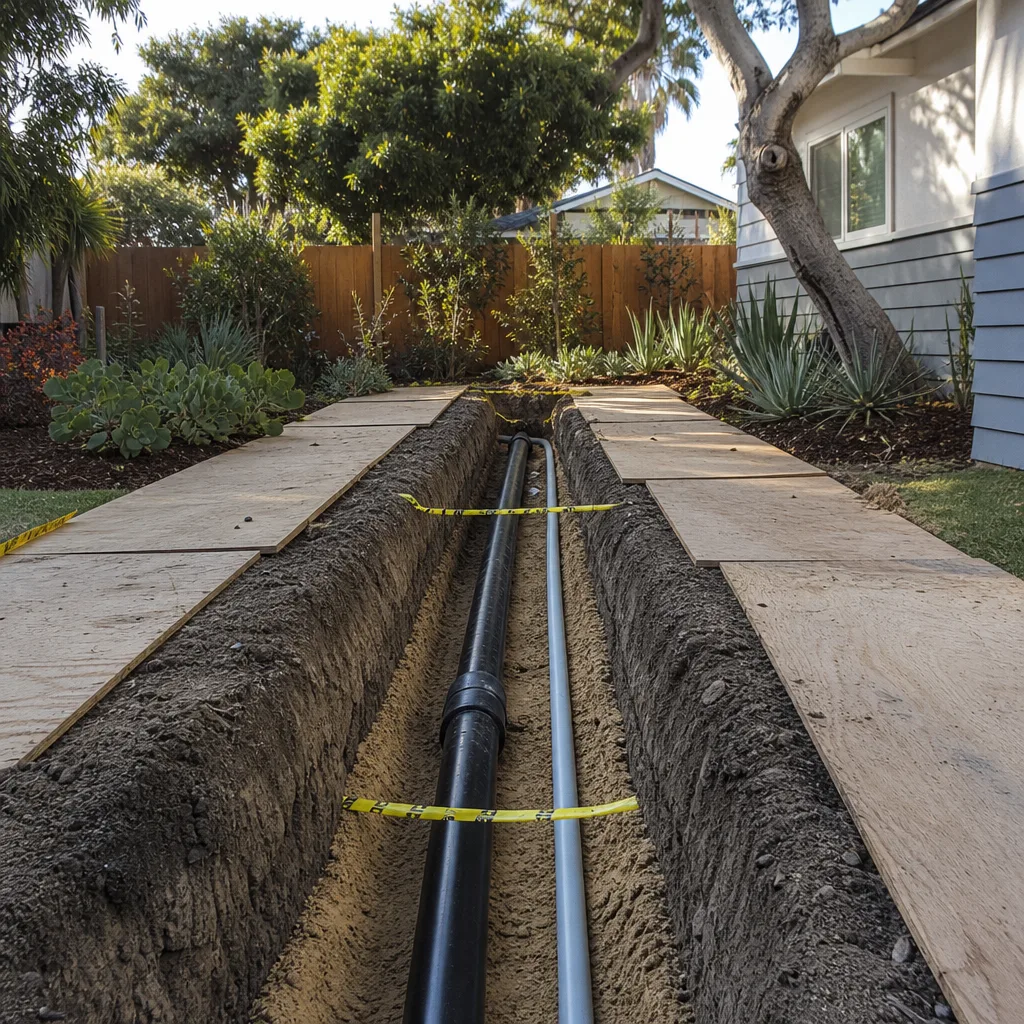
Here’s the honest math for San Francisco. Our installed site prep and utility corrections run $18,000 to $45,000, and the spread comes down to three things: how much trenching is required, whether your panel needs replacing, and what’s under your lot. Digging through rock or compacted clay in the Richmond District costs more than trenching through sandy soil near Ocean Beach. A 200-amp panel upgrade adds $4,000 to $7,000 on top of your utility runs.
| Scope | Typical San Francisco Cost |
|---|---|
| Full site prep with pad repair, grading, drainage | $10,000 – $18,000 |
| Sewer lateral replacement to city connection | $6,000 – $12,000 |
| Water line replacement from meter to Boxabl | $2,500 – $5,000 |
| Electrical service upgrade to 200-amp + panel | $4,000 – $7,000 |
| Complete utility package (all of the above) | $22,500 – $42,000 |
Every quote includes the parts, the labor, the trenching, the backfill, any city-required inspections, and the written Kingswell Guarantee. The price we put in writing before work starts is the price you pay. No add-ons at the door. No “we found something unexpected” when the trench is already open. If we hit something we didn’t plan for, that’s on our estimate process, not your bill. The 365-Day Done Right Promise means if anything fails in the first year, we come back and fix it at no charge. That’s in writing on every Lodgewick ADU San Francisco job.
DIY or Call Us?
Electrical work on a Boxabl service entrance is not a DIY job. The main panel, the feed from PG&E, and the disconnect at the unit all carry enough current to kill you, and San Francisco requires a licensed electrician to pull the permit and pass inspection. The same goes for a sewer lateral tie-in: you’re cutting into a live line, and if the slope is wrong, you have a problem under four feet of dirt that costs three times as much to fix as it would have to install right the first time.
What you can safely do yourself: walk the perimeter after rain and note where water pools. Check the panel label against the diagram that shipped with your Boxabl. Run two fixtures at once and see if pressure drops. That’s honest diagnostic work, and it helps us give you a tighter estimate over the phone. But when it comes to trenching, tie-ins, and panels, call (707) 760-0502. Russ walks every San Francisco site before quoting a number, and as he’ll tell you: “Tell me what the space needs to do, and we’ll figure out how to build it right.”
FAQs
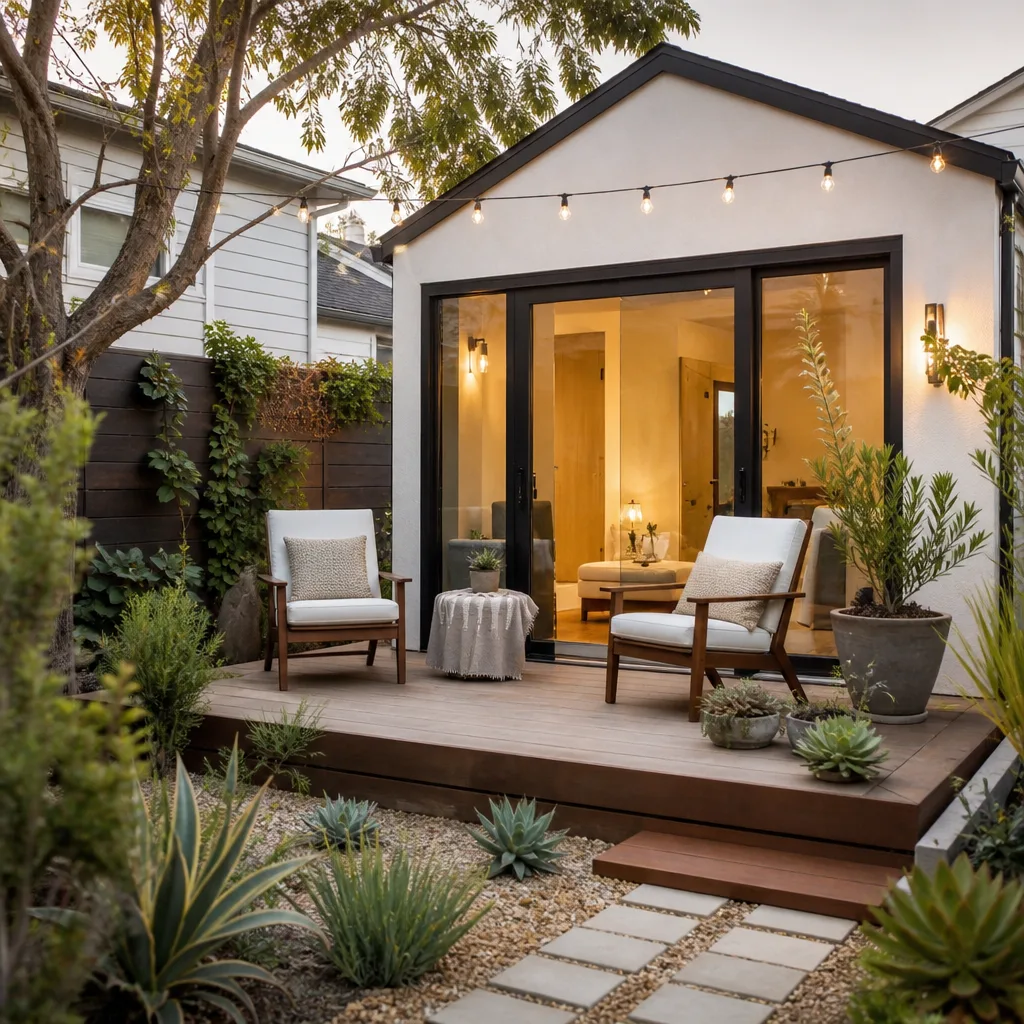
A properly installed sewer lateral, water line, and electrical service should last 40 to 50 years in San Francisco’s climate, with the panel being the most likely component to need replacement at the 25-year mark. The pad and drainage are more variable: a compacted sub-base with proper gravel lasts decades, but if the original install skipped steps, you’ll see settling in three to five years.
Yes, and in about 60% of our San Francisco site prep jobs, repair is the right call. A single low spot in a sewer lateral can often be cut out and replaced, and a water pressure issue is frequently a bad crimp fitting rather than a full line. We’ll tell you straight if the existing work is salvageable. Call (707) 760-0502 for an exact assessment.
Most single-lateral or single-line replacements finish in two to four days. A full site prep rebuild with pad correction, drainage, and all three utilities typically runs two to three weeks depending on inspection scheduling with the San Francisco Department of Building Inspection. We give you a written schedule before work starts, and a defined arrival window for every day our crew is on site.
We stock the common connection hardware: 4-inch sewer laterals, 3/4-inch and 1-inch water lines, crimp fittings, meter adapters, and 200-amp panels. Boxabl doesn’t make proprietary pipe or electrical gear; these are industry-standard parts, and we carry them on our trucks in San Francisco. For the few oddball items, we source them same-day from local suppliers in the Bay Area.
If your Boxabl’s water pressure is dropping, the sewer smells after rain, or the breaker trips when you run two appliances, call (707) 760-0502. Russ Delmar and the Lodgewick ADU San Francisco crew will walk your site, give you a written price, and make it right. We work with Abodu, Cover, and Dvele units too, so if you’ve got a mixed-vendor lot, we can handle everything under one estimate.
Written by Russ Delmar, Owner, Lodgewick ADU San Francisco at Lodgewick ADU San Francisco, serving San Francisco and nearby areas.


