

Plant Prefab Junior ADU Conversion: The San Francisco Owner’s Guide
If your Plant Prefab junior ADU conversion in San Francisco is failing, we stock and install compatible replacement parts, with most conversions priced between $14,500 and $28,000 depending on the scope. We carry parts for Plant Prefab’s Accessory Dwelling Unit series on our trucks, and many swaps can be completed within three to five working days once we’ve confirmed your model’s specs. The call usually comes when a homeowner notices water staining around the roofline, a door that suddenly won’t latch, or a junction box that trips a breaker every time it rains.
Most San Francisco owners discover the problem the same way: a small issue they noticed in passing becomes a bigger one within a season. Fog-driven moisture works its way into seams and connections faster here than almost anywhere in the state, and prefab panel joints take the brunt of it. Russ Delmar has walked enough of these sites to know that what looks like a cosmetic crack on the exterior often traces back to a failed seal or an undersized flashing detail from the original install.
Which Plant Prefab Models This Applies To
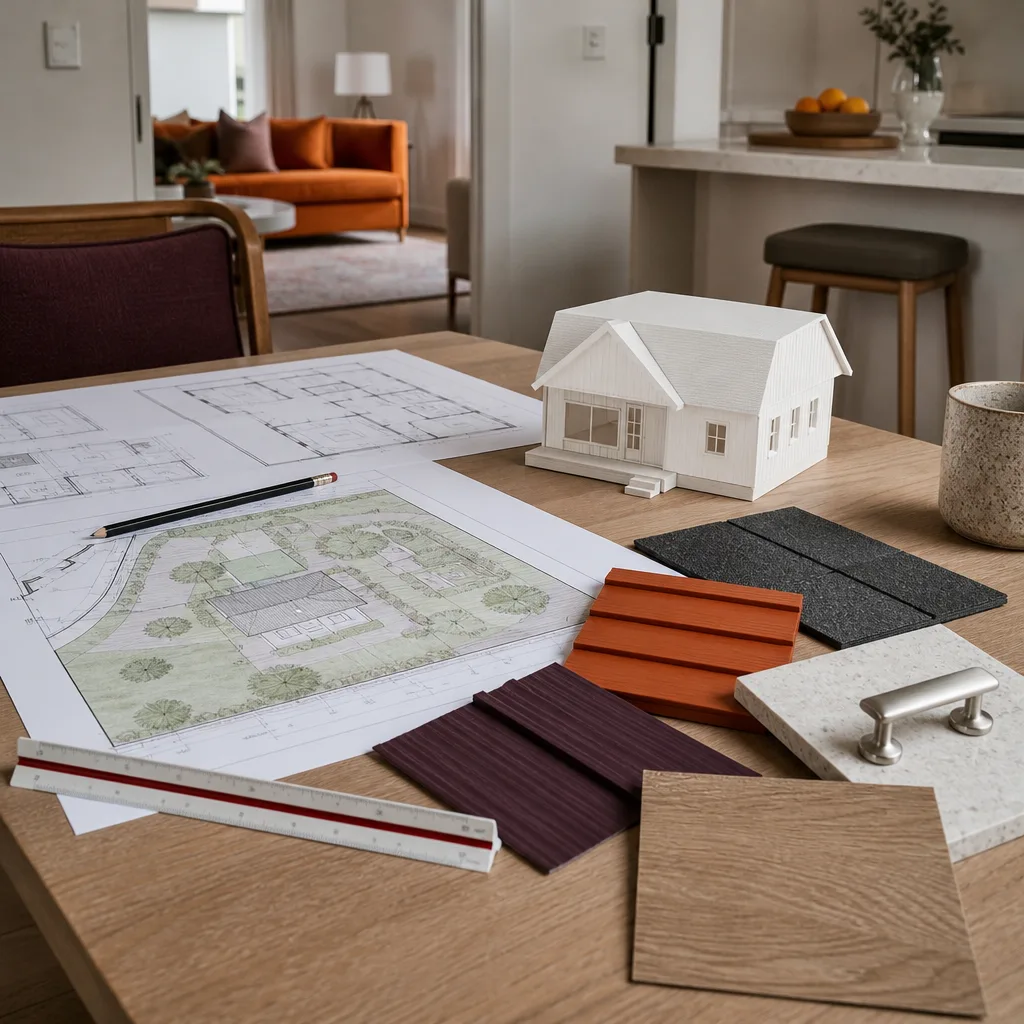
Plant Prefab’s junior ADU line includes several panelized configurations, and the conversion components vary by series. The critical identifier is the panel joint specification printed on the aluminum tag inside the unit’s utility chase, typically a six-character code starting with “PP-” followed by the module batch. If that tag is missing or faded, measure the wall panel thickness: most San Francisco junior ADUs from Plant Prefab use 2×6 framing with 4-inch continuous insulation, but earlier 2019 builds used 2×4 stock that takes different connectors and trim profiles.
We’re an independent service provider, not affiliated with Plant Prefab, which means we’ll tell you plainly when an OEM part is worth the wait and when a quality aftermarket equivalent does the job better for less. For structural connectors and roof-to-wall transitions, we recommend OEM. For seals, flashings, and weather stripping, several domestic aftermarket suppliers hold up as well or better in San Francisco’s salt-fog environment, and they usually cost 20 to 30 percent less. The compatibility gotcha to watch for: Plant Prefab’s 2021 and later junior ADUs use a metric panel grid, so a seal cut for the older imperial grid will leave a 3mm gap you can’t see until the first heavy rain finds it.
Signs Your Plant Prefab Junior ADU Conversion Is Failing
- Water staining at the panel joints – This is the big one in San Francisco. The horizontal seams between prefab panels take wind-driven rain from the west, and once the factory seal degrades, fog moisture condenses inside the cavity and wicks into drywall. You’ll see faint brown lines that follow the panel grid.
- Doors that stick or won’t latch – Panelized structures settle through their first several years, especially on San Francisco’s varied soil. When a junior ADU’s door frame shifts more than an eighth of an inch out of square, it’s usually a sign the rim joist connectors have loosened or a mudsill anchor was never fully torqued.
- Breaker trips on the kitchen or laundry circuit – The factory-installed panels in Plant Prefab junior ADUs use a specific bus bar configuration. If corrosion builds up where the feeder connects, you get intermittent tripping that worsens in damp months.
- Musty odor without visible water – Sealed prefab cavities trap moisture differently than stick framing. That smell usually means a failed vapor barrier seam behind an outlet or at the floor-to-wall transition, and by the time you smell it, the fix is more than a dehumidifier.
- Gaps opening at window and door trim – Caulk fails in cycles here. If you see gaps wider than a dime’s edge around the openings, the building envelope has lost its air seal and the junior ADU is now breathing unconditioned San Francisco air through the framing cavities.
Replacement Cost & What’s Included
For a junior ADU conversion in San Francisco, expect installed pricing between $14,500 and $28,000. The low end covers a focused repair: replacing failed panel-joint seals, re-torquing structural connectors, and repairing damaged drywall where moisture got in. The high end includes full envelope remediation plus any electrical bus bar replacement and interior refinish work. Everything lands in a written quote before we start, with no price changes at the door.
The spread comes down to three things: how many panel joints have failed, whether the original installer used the correct metric-grid components, and what we find once we open the first cavity. Parts typically run $2,800 to $6,400 of the total; labor and debris disposal make up the rest. Every conversion carries our written guarantee, and if the work fails within the 365-day Done Right Promise window, we come back and make it right at no charge.
DIY or Call Us?
You can safely check a few things yourself: note which panels show staining, test every outlet with a plug-in tester, and check whether doors and windows have shifted out of square. That gives us a head start when we arrive. What you shouldn’t do is open the panel joints or attempt structural work. The panel-to-panel connectors on Plant Prefab units are under tension, and releasing one without bracing the framework can cause a wall section to shift hard enough to crack glazing or pinch a hand.
Electrical work inside the conversion is another line: the bus bar connectors and ground path need a licensed electrician’s meter and eye. If you’re seeing breaker trips or any scorching around outlets, stop using that circuit and call us at (707) 760-0502. We’ll walk the site, tell you exactly what we found, and write the number down before any work starts.
FAQs
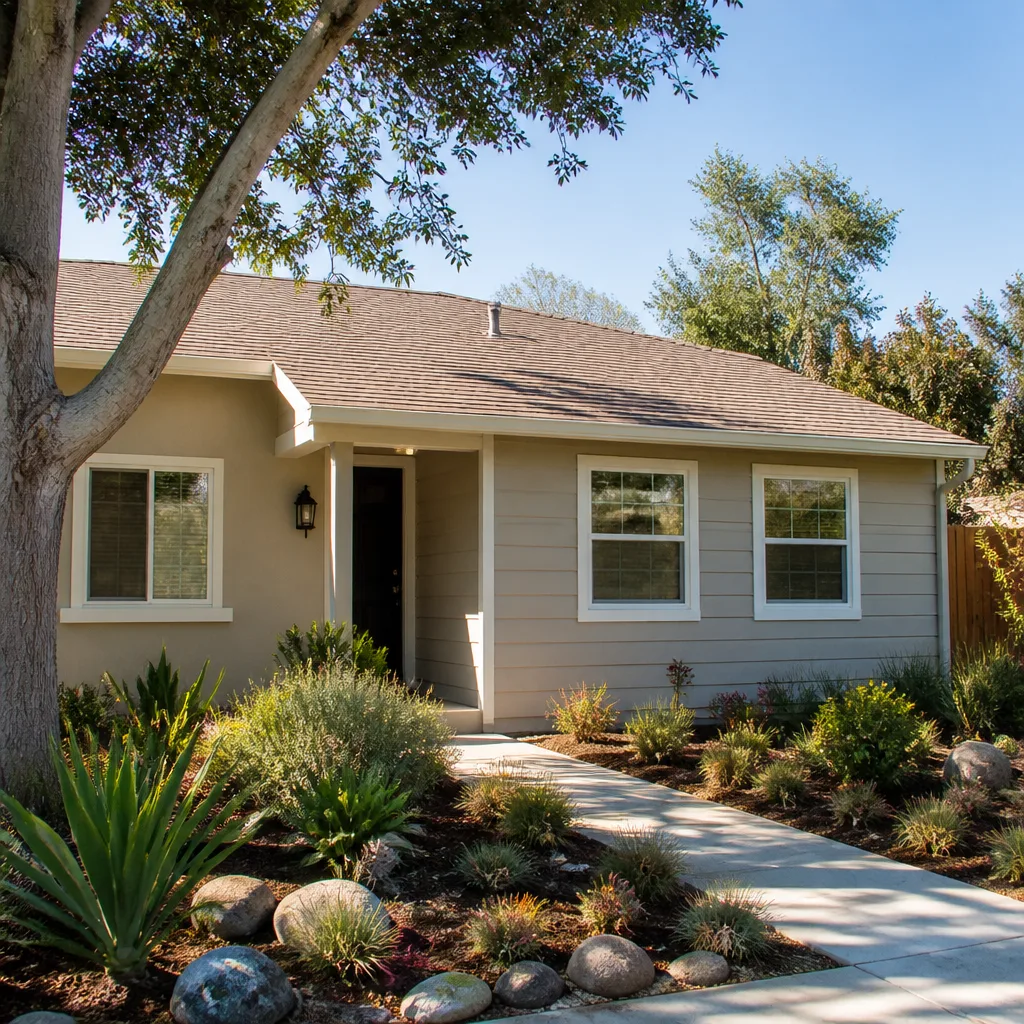
The factory panel seals typically last 8 to 12 years in San Francisco’s fog belt, but units on west-facing lots within a mile of Ocean Beach often need seal work by year 7. The structural connectors should last the life of the building if properly torqued at install, which is why we check torque on every visit. Call (707) 760-0502 and we’ll give you an honest read on where your unit sits – estimates are free.
Yes, in most cases. Failed seals, deteriorated flashings, and corroded electrical connections are repair items. Full replacement only makes sense when panel sections have absorbed enough moisture to compromise the sheathing or framing, which we can confirm by opening a small inspection port. Call (707) 760-0502 and we’ll tell you which path your structure is on before you commit to anything.
Most Plant Prefab junior ADU conversions in San Francisco wrap up in three to five working days once materials are on site. Weather can stretch that a day or two, since we won’t reseal panel joints during active rain. We give you a written arrival window before we start, and we keep the job site clean throughout.
We stock the most common seal profiles, structural connectors, and electrical components for Plant Prefab junior ADUs on our trucks in San Francisco. Specialty metric-grid parts typically arrive within three business days. We also carry compatible components for Abodu, Cover, and Dvele units when a property has more than one prefab structure on the lot.
Written by Russ Delmar, Owner, Lodgewick ADU San Francisco at Lodgewick ADU San Francisco, serving San Francisco and nearby areas.


