

Plant Prefab Site Prep & Utilities: The San Francisco Owner’s Guide
Site prep and utility work for a Plant Prefab ADU in San Francisco typically runs between $18,000 and $45,000, depending on whether you’re dealing with slope compaction, sewer lateral replacement, trenching through hardpan, or PG&E service upgrades. Most owners discover their site prep wasn’t done right when they see standing water against the foundation, a utility trench that’s settled into a sunken stripe across the yard, or an electrical panel that trips when the heat pump kicks on. We stock the common repair materials on our trucks and can usually diagnose a failed utility connection or drainage problem the same day we visit.
Which Plant Prefab Models This Applies To
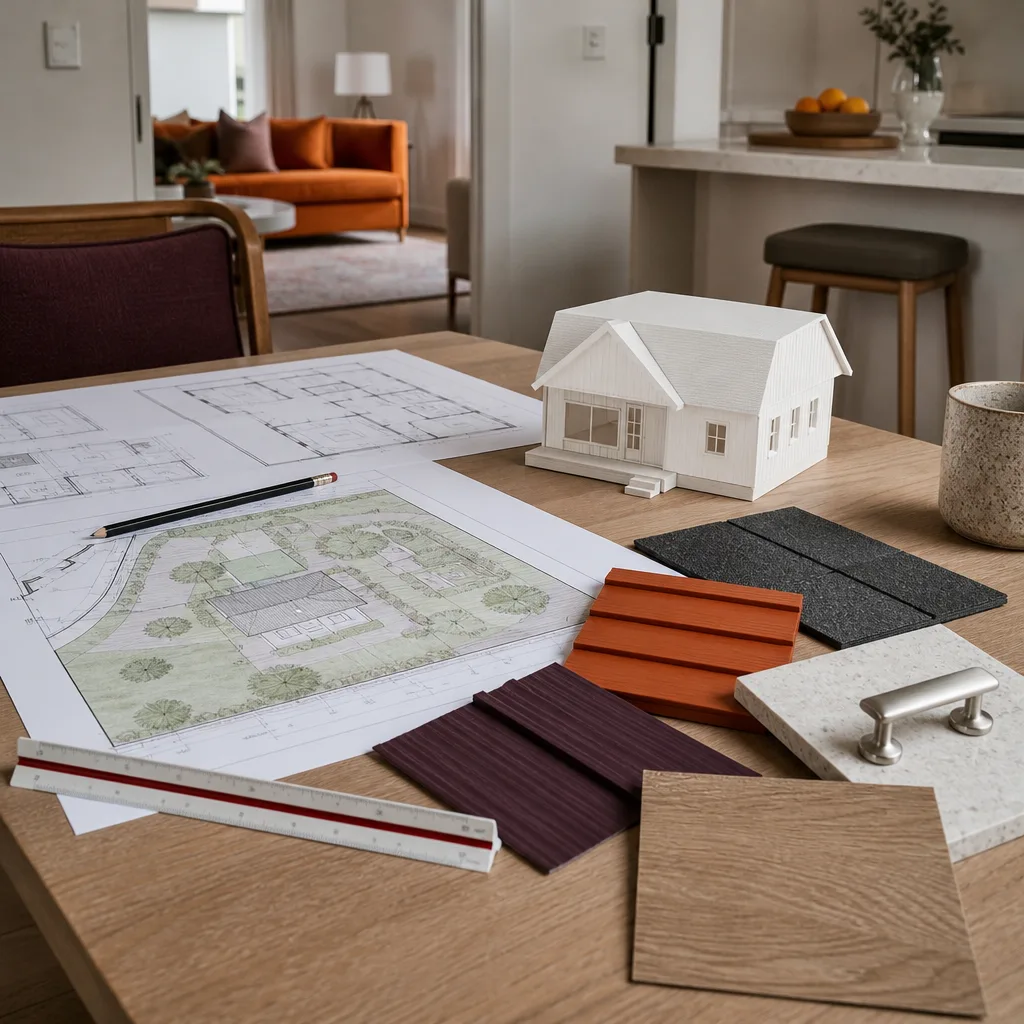
Plant Prefab builds their panels and modules in a controlled factory, which is the whole point. What happens on your San Francisco lot before the modules arrive is what this page is about. Their standard product lines (the LivingHome series, including the C6, C8, and larger custom models) all sit on the same kind of site work: a prepared slab or crawlspace foundation, a trench from the street for water and sewer, a utility stub-out that has to land within a tolerance of a couple inches, and drainage that works on a 40-foot-wide Victorian lot with a sloped yard. The compatibility gotcha we see regularly is the utility stub-out location: Plant Prefab’s factory specs call for specific landing points, and if your underground sewer lateral or water line comes in a foot off, the whole module set has to be craned and re-set or the plumbing rough-in work gets complicated fast. We match our site work to the drawings Plant Prefab provides, and when the drawings don’t match what’s underground (old San Francisco lines get moved around over a century), we document the difference before we dig.
Signs Your Plant Prefab Site Prep & Utilities Is Failing
- Sunken trench lines across the yard. If the trench that was dug for your water or sewer line has settled into a shallow valley, the backfill wasn’t compacted in lifts. That dip means the pipe underneath is flexing, and over a few more rainy seasons it’ll crack at a joint. Cause: quick backfill instead of mechanical compaction every 12 inches.
- Water pooling against the foundation skirt. Plant Prefab modules sit on concrete or steel piers and are skirted. When the grade wasn’t sloped away from the foundation, the skirt board wicks water and starts to rot from the bottom up. You’ll see paint bubbling first, then soft wood at ground level. Cause: no positive grade, no French drain, or downspouts dumping right at the pad.
- Electrical panel trips when two appliances run at once. A 100-amp panel on a new ADU with a mini-split, electric stove, and washer/dryer is undersized. The panel wasn’t matched to what the Plant Prefab unit actually draws. Cause: the site prep budget cut corners on the service upgrade rather than running 200 amps from the main panel.
- Sewage smell near the cleanout. If you catch a sewer gas odor on the side of the house where the lateral runs, the line’s likely bellied (sagged between two points) or the cleanout cap wasn’t sealed properly after the last inspection. Cause: the sewer line was not bedded in sand or the trench bottom wasn’t leveled, so the pipe settled unevenly.
- Cracks in the concrete pad at the module joints. Hairline cracks are normal. Cracks wider than a quarter inch that run diagonally under the marriage wall of the modules mean differential settlement: one side of the pad is sinking faster than the other. Cause: undersized footings or native soil that wasn’t cut and recompacted before the pour.
Replacement Cost & What’s Included
For San Francisco lots, here’s what we see across the neighborhoods: trenching and replacing a failed sewer lateral runs $6,500 to $14,000 depending on depth and the condition of the street connection. Regrading and installing a French drain around a settled pad costs $4,000 to $9,000. Repairing a sunken trench with proper compaction and new bedding material is $1,800 to $4,500. A panel upgrade from 100 to 200 amps including PG&E coordination adds $3,500 to $7,500. Drainage correction for pooling water (regrade, dry well, or drain line depending on soil) runs $3,000 to $8,000. Every quote includes parts, labor, haul-away of failed material, and a written line-item breakdown before work starts. And if it’s not right, we come back: the 365-Day Done Right Promise covers every one of these repairs in writing.
DIY or Call Us?
You can safely check the easy things: look for water pooling after rain, look for sunken stripes, look at whether your downspouts dump water at the foundation. That tells you where to point us. What you shouldn’t do is dig. San Francisco has buried PG&E lines, gas mains, and old clay sewer lines that crumble the second a shovel touches them. Underground utility locating is required before any excavation, and connecting a new lateral to a city main means a permit, an inspection, and a plumber who has done this on a 1906-era street before. If your trench has settled or your pad is holding water, call us at (707) 760-0502 and we’ll tell you what we’re looking at before we touch a shovel.
FAQs
In San Francisco’s wet, clay-heavy soil, properly compacted backfill and correctly bedded sewer lines should last 40 to 50 years without movement. What we replace most often is site work that was backfilled without compaction or sewer lines that were laid on uneven trench bottoms, which can fail in as little as two or three winters. Call (707) 760-0502 if you’re seeing settlement, and we’ll walk the site with you.
Sometimes, yes. A settling trench can be re-excavated, the pipe re-bedded in sand, and the backfill mechanically compacted in lifts. If the pipe itself is cracked or bellied, no repair will hold: that section gets cut out and replaced. We’ll tell you which one you’re looking at after we expose the line. The estimate is free, and the written price doesn’t change once we start.
Most single-issue repairs like a sunken trench or a drainage problem take two to four days including inspection. A sewer lateral replacement can run three to five days if we’re coordinating with the city. We give you a defined arrival window and a written schedule before work starts, and we keep the job site clean at the end of every day.
We keep common repair materials on our trucks: compaction gravel, sand bedding, drainage pipe, fittings, cleanouts, and the hardware we use to re-secure skirting. Specialty items like PG&E-approved panels or city-spec sewer laterals are ordered for your specific job. We’re an independent service provider, not affiliated with Plant Prefab, but we know their site requirements well enough to match the work to their factory specs. Abodu, Cover, and Dvele are other brands we work with regularly, so we’re used to matching site work across different manufacturers.
Written by Russ Delmar, Owner, Lodgewick ADU San Francisco at Lodgewick ADU San Francisco, serving San Francisco and nearby areas.


