
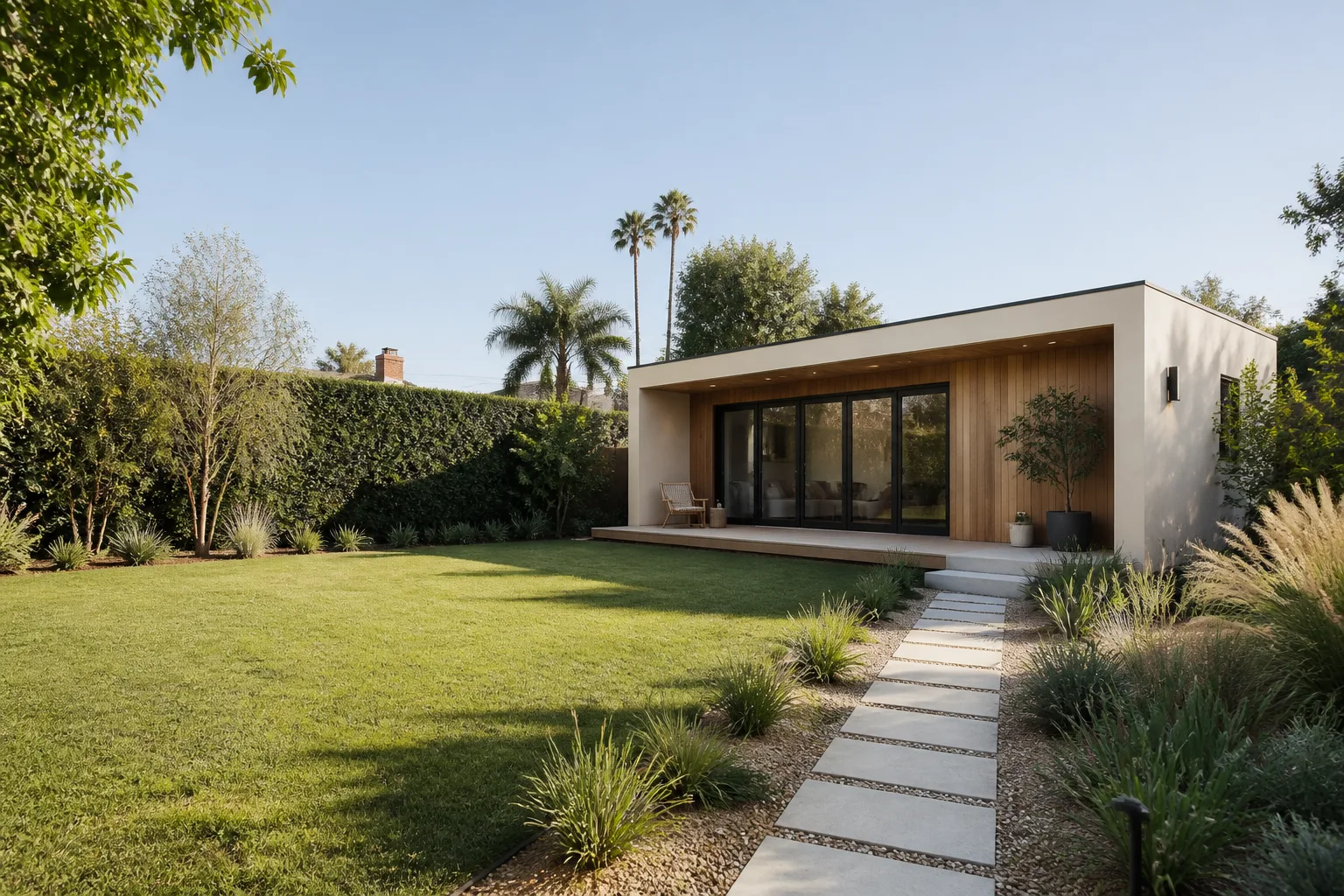
James Hardie Junior ADU Conversion: The San Francisco Owner’s Guide
We install and convert James Hardie-compatible junior ADU spaces throughout San Francisco, and the typical full conversion in this city runs $85,000 to $145,000 depending on the scope, finish level, and what the existing structure will carry. That range covers permits, engineering, structural work where needed, Hardie siding and trim matched to your existing material, and the systems work (electrical, plumbing, HVAC) that turns a shell into a legal living space. Most owners discover they need this work when they pull back a corner of Hardie panel and find water damage behind it from years of fog-driven moisture working into old flashing. Russ Delmar grew up around framing squares and has spent the better part of a decade building and converting ADUs in San Francisco, including projects within a few blocks of Dolores Park where Victorian lot lines make every build its own puzzle.
Which James Hardie Models This Applies To
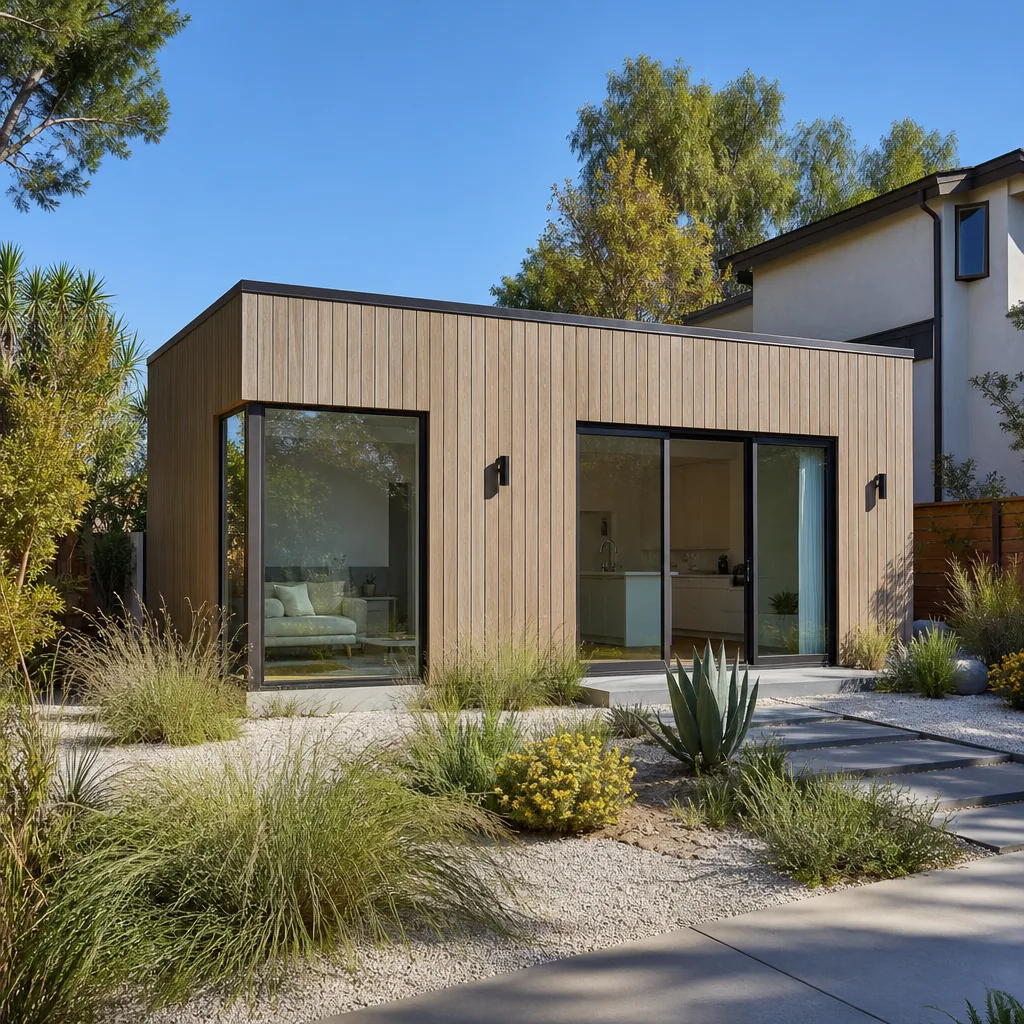
If you own a hardie-finished outbuilding, garage, or studio shell on your San Francisco lot and want to convert it into a junior ADU (that’s a smaller accessory dwelling unit, up to 500 square feet, built within or attached to an existing structure), the conversion work touches three James Hardie product lines most often:
- HardiePlank lap siding – the 5/4″ x 8-1/4″ and 5/4″ x 6-1/4″ exposure profiles. In San Francisco’s marine air, we regularly see the bottom course wicking moisture where it sits too close to grade or where the original install skipped the required 6″ clearance from hardscape.
- HardiePanel vertical siding – often used on garage faces and accessory structures. The 4′ x 8′ and 4′ x 10′ sheets fail first at the bottom edge and at unflashed penetration points.
- HardieTrim boards – corners, window surrounds, and fascia. These are the most common failure point we replace during San Francisco junior ADU conversions because water gets behind them at nail holes that were never sealed.
The compatibility gotcha most owners hit: James Hardie products made before roughly 2015 used a slightly different factory finish chemistry, and new factory-primed material mixed with old finish-coat paint will telegraph lap lines within two years if you don’t re-prime first. We always check the back of an existing board for the manufacturing code before matching anything. For aftermarket, there are decent primed fiber cement equivalents on the market, but we’ve found off-brand sheets shatter more readily when cut and don’t hold fasteners as predictably in San Francisco’s salt air. For a conversion where we’re tying into existing Hardie material, we recommend staying with genuine James Hardie product or a primed equivalent we can stand behind in writing.
Signs Your James Hardie Junior ADU Conversion Is Failing
- Soft spots or bubbling paint at the bottom 12 inches of siding. Water is wicking up from grade or a slab edge. In San Francisco’s wet winters, this is the single most common failure we correct. The fix usually means cutting back the damaged course, flashing correctly, and confirming drainage grade before re-siding.
- Dark staining or mold visible around window and door corners. Flashing was either omitted or installed backward. Hardie material itself doesn’t rot, but the framing behind it does. By the time you see staining on the face, the structural framing usually needs repair before conversion work can proceed.
- Cracking at corner joints or trim separation. HardieTrim expands and contracts with temperature swings. When original installers butted joints tight instead of leaving a 1/8″ gap with caulk, the boards crack or separate over time.
- Visible fasteners popping or rusting through the face. On older San Francisco installs, we see this where installers used standard steel nails instead of hot-dipped galvanized or stainless. Rust streaks appear first, then the board loses its hold. The siding itself may be salvageable, but the fastening system needs full replacement.
- You can feel drafts or see daylight through exterior wall corners. This means the building envelope is compromised. For a junior ADU conversion, a leaky envelope means your heating costs spike and moisture control fails. It’s a structural and code problem, not just a comfort issue.
Replacement Cost & What’s Included
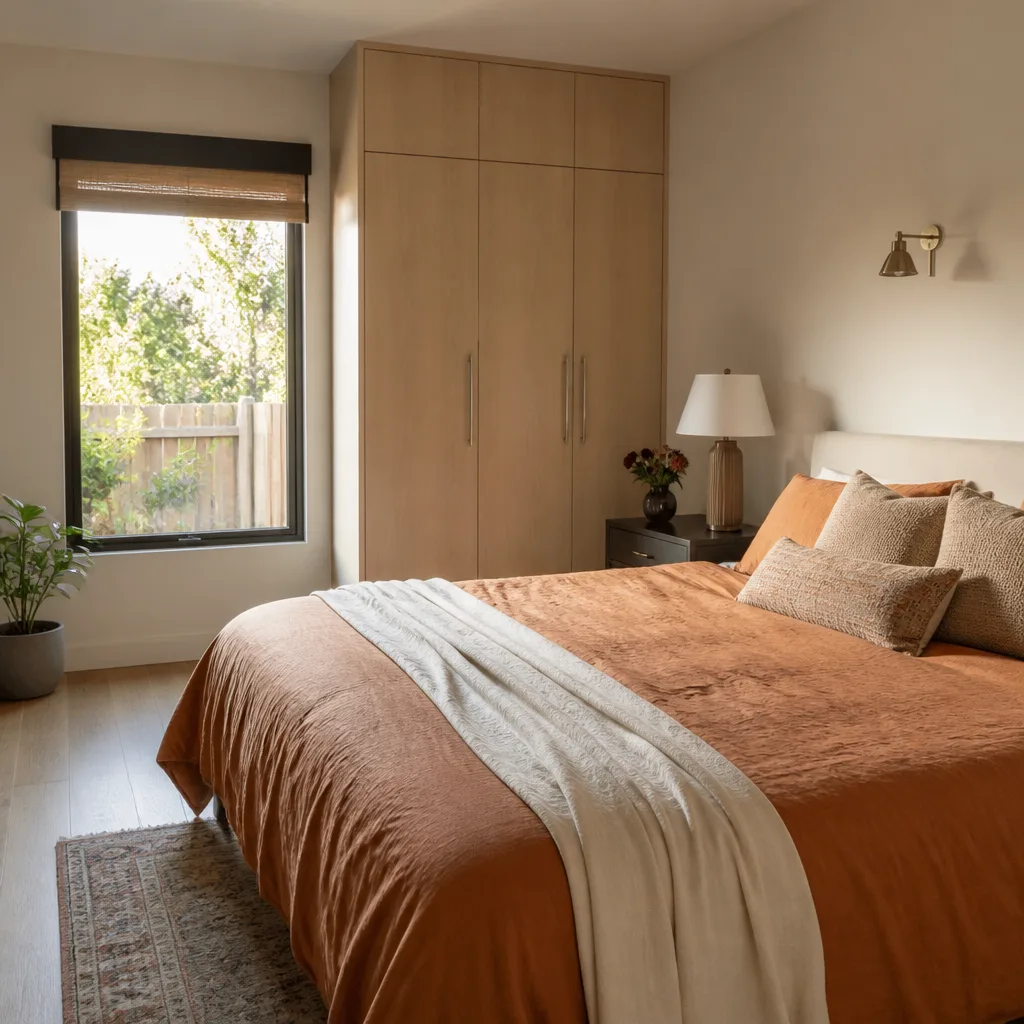
A full James Hardie junior ADU conversion in San Francisco runs $85,000 to $145,000 as a realistic installed range. On the lower end, you’re looking at a simple conversion: existing shell in good structural shape, basic insulation upgrade, one electrical circuit expansion, a small bath, and a kitchenette with standard finishes. The higher end reflects projects where we’re reframing rot damage, replacing significant Hardie siding and flashing, upgrading to 200-amp service, adding a full kitchen, and pulling permits through San Francisco’s Department of Building Inspection. Materials typically run 40-50% of the total with labor, permits, and engineering making up the balance.
Every Lodgewick ADU San Francisco estimate includes the same written line-item scope: materials specified by brand and series, labor, permit costs, and disposal. You get the number before work starts, and that number doesn’t change at the door. The work itself carries our 365-Day Done Right Promise in writing: if it’s not done right, we come back and make it right, free of charge, within that year.
DIY or Call Us?
You can check a few things yourself: look at the bottom course of siding for gaps or missing flashing, confirm downspouts discharge away from the structure, and check caulk lines at window corners. Those observations help you describe the job accurately when you call.
But a junior ADU conversion is not a weekend project. The work involves structural evaluation, electrical and plumbing under current California code, possible sewer lateral issues, and re-siding where water damage already happened. Fiber cement dust from cutting Hardie material is a silica hazard and requires proper respiratory protection and containment. I’ve seen enough estimates written on napkins in parking lots to know what happens when this work goes sideways. If you’re weighing DIY against hiring, call us at (707) 760-0502 first. We’ll walk the site, tell you honestly what the structure needs, and give you a written number either way.
FAQs
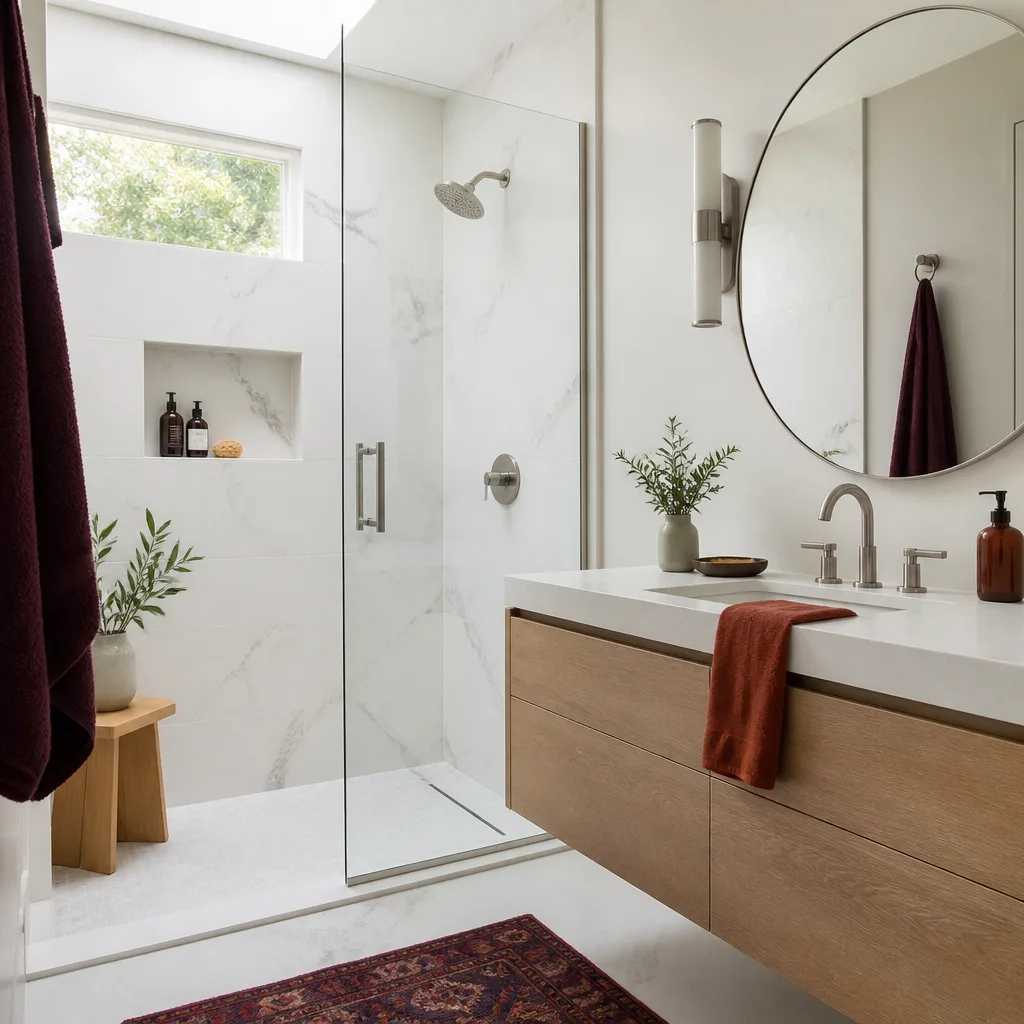
Factory-finished James Hardie siding can last 30 to 50 years in San Francisco’s climate, but only if it was installed with correct clearances, flashing, and fasteners. The material itself won’t rot, but the framing behind it will if water gets in, and that shortens the usable life of the whole assembly. We see original Hardie installs in the Sunset and Richmond districts failing at 10 to 15 years when the bottom clearance was buried or the flashing skipped. Call (707) 760-0502 if you want us to look at what you have before you plan a conversion around it.
Yes, often. If the damage is limited to the bottom course or isolated trim areas, we can cut out the bad sections, repair framing as needed, re-flash correctly, and tie in new Hardie material that matches the existing exposure. Full re-side is only necessary when damage is widespread or the existing installation had systemic issues like wrong fasteners throughout.
A typical junior ADU conversion runs 8 to 14 weeks from permit submission to final inspection, depending on scope and how quickly San Francisco’s Department of Building Inspection reviews plans. We give a written schedule with your estimate, and the crew shows up in the window we committed to.
We keep genuine James Hardie plank, panel, and trim on hand for common San Francisco profiles, along with stainless fasteners, flashing, and sealants. For full conversions we also work with leading ADU manufacturers and materials including Abodu, Cover, and Dvele when a prefab approach fits the lot better than converting the existing structure. We’ll tell you honestly which path makes sense for your property.
Tell me what the space needs to do, and we’ll figure out how to build it right. Call (707) 760-0502 to schedule a free walk-through and written estimate. A live person answers, day or night.
Written by Russ Delmar, Owner, Lodgewick ADU San Francisco at Lodgewick ADU San Francisco, serving San Francisco and nearby areas.


