
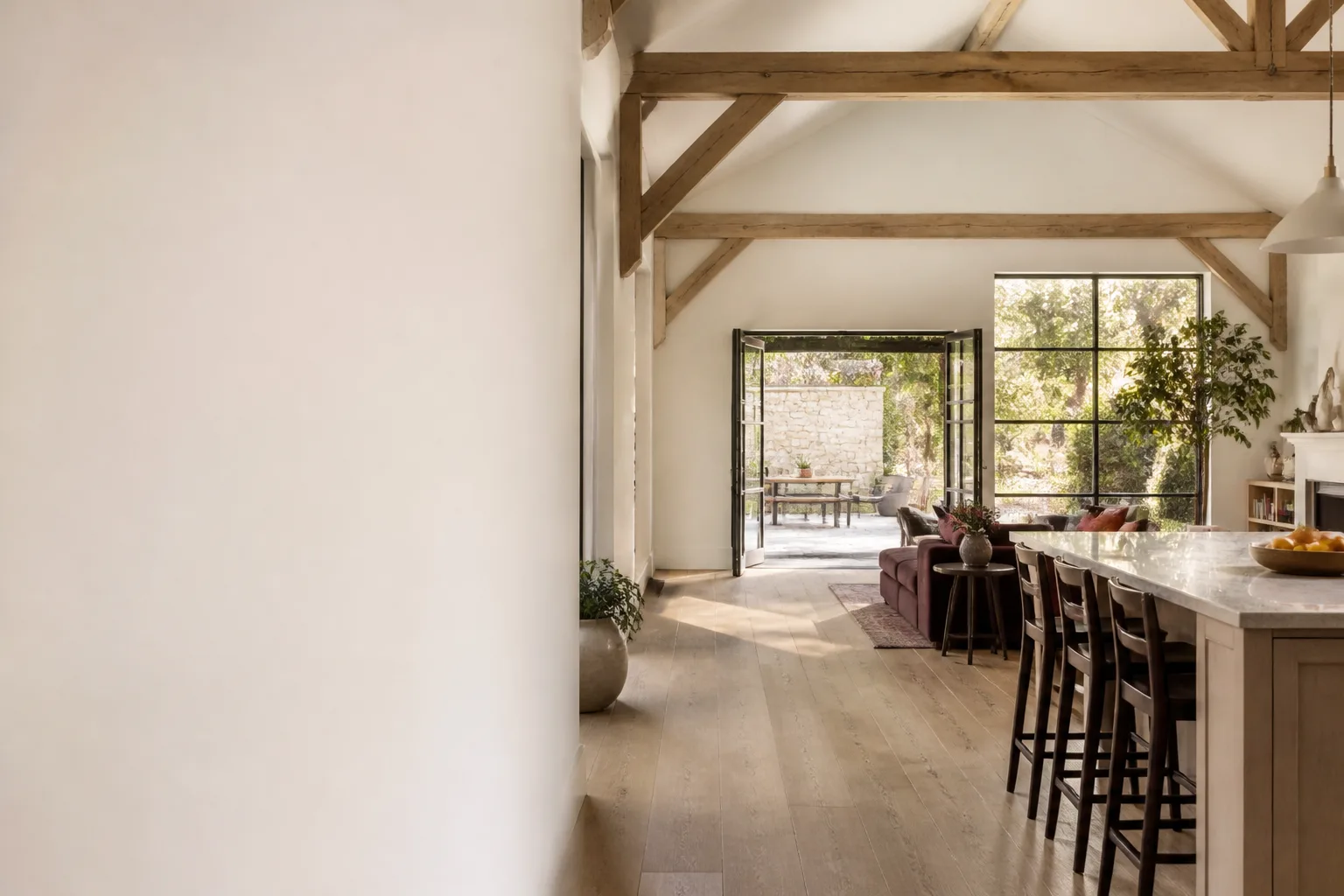
Abodu Home Addition Contractor in San Francisco: What to Know First
We’re an independent Abodu home addition contractor serving San Francisco, and most Abodu expansion projects we handle run two to six weeks depending on scope and site conditions. A straightforward room addition off an existing Abodu shell typically falls between $85,000 and $165,000 in the current San Francisco market; second-story work usually lands higher because of structural tie-in requirements and the city’s exacting lateral-load standards. This page is for Abodu owners who need a contractor who actually knows the product, not someone who shows up and learns on your dime. Call (707) 760-0502 and a live person answers, 24/7.
How Abodu Products Fail – and How We Fix Them
- Wall panel seam separation on Studio and One models. Abodu’s panelized walls expand and contract with San Francisco’s fog-to-sun temperature swings, and we regularly see hairline gaps open at interior panel joints within the first two years. The root cause is almost never the panel itself; it’s the factory-applied seam tape relaxing under our humidity cycles. We remove the failed tape, re-fill with a flexible polyurethane sealant rated for movement, and re-finish. The fix holds because we account for the building’s movement instead of fighting it.
- Foundation-to-chassis anchor creep on units set over crawl spaces. Abodu units rely on a steel chassis tied to a perimeter foundation. In neighborhoods like the Sunset and the Richmond, where sandy soil shifts with seasonal groundwater, we see anchor bolts lose tension over time. That shows up as doors that suddenly stick or a floor that feels spongy near the entry. We re-torque or replace anchors, add epoxy-set reinforcement where the concrete has spalled, and re-level the chassis to factory tolerance.
- Roof flashing failures at the marriage line on attached additions. When an Abodu unit ties into an existing home, the weakest point is always the transition flashing between the prefab roof plane and the original structure. San Francisco’s wind-driven rain from the west pushes water uphill at that seam. We replace the factory flashing with a custom bent copper or galvanized profile that extends higher up the existing wall and deeper into the Abodu roof deck. It’s a details job, and it’s the difference between a five-year patch and a permanent fix.
- Interior drywall cracking at window and door headers on two-story Abodu builds. The factory framing is engineered tight, but when a second story gets stacked on a One or a custom Abodu shell, the point loads at headers transfer through the wall system differently than on a stick-built home. We see characteristic diagonal cracks radiating from upper corners of windows within the first year after a second-story addition settles. The fix isn’t just taping and mudding; we add a slip track or relieve the header connection per the structural engineer’s spec, then finish. Otherwise the crack comes back.
- Bathroom addition waterproofing failures at the prefab floor transition. Abodu’s factory floor cassettes work well as-is, but when we cut into them to add a bathroom addition, the seam between factory flooring and new wet-area substrate is a common failure point. Water finds its way under the new tile and rots the cassette edge. Our process uses a full-surface membrane that runs from the new shower pan continuously across the transition and up the walls six inches, plus a flood test before any tile goes down. It’s the kind of step that gets skipped by a contractor who’s never opened an Abodu floor before.
As an independent Abodu service provider, we’re not affiliated with or authorized by Abodu. That means we make parts and repair decisions based on what serves the homeowner, not what a manufacturer’s warranty department prefers. Specifically, we use Abodu-sourced structural components whenever the building envelope or chassis is involved, and quality aftermarket materials for finishes, flashing, and interior work where OEM isn’t meaningfully better. That split keeps your unit safe and your budget sane.
Our Abodu Home Addition Contractor Process
- 1
Site walk and honest talk. Russ or a senior lead walks the property before quoting anything. He wants to see the existing Abodu unit, the lot geometry, the access for materials, and whatever the neighbor situation looks like. You tell him what the space needs to do, and he’ll tell you what’s realistic on that specific lot. The quote that follows is written, itemized, and fixed. No price changes at the door, ever.
- 2
Plans and permits. San Francisco requires permits for most additions, and we handle the whole package: drawings, structural calcs, energy compliance, and submittal to the Department of Building Inspection. We pull the permits under our name and don’t start work until they’re issued. If the project needs a planning review because of lot coverage or neighborhood notification, we advise on timelines before you commit.
- 3
Ordering parts and materials. For Abodu-specific components, we source through the channels we’ve built over years of working on these units. That may mean an OEM panel or chassis part, or it may mean a better aftermarket flashing or sealant. We show you the parts list and the cost before ordering. No surprises.
- 4
Build phase. The crew arrives in the window we gave you, in uniform, background-checked. The site gets protected: floors covered, dust barriers up, materials staged neatly. We build to the plan, and if something changes, the change order gets written up and priced before we do it. No verbal scope creep.
- 5
Inspection and sign-off. We call the inspection, walk it with the inspector, and close out the permit. Then we do our own walkthrough with you, room by room, checking fit, finish, and function.
- 6
The written guarantee. You get the 365-Day Done Right Promise in writing before we start and again at closeout. If something’s not right within a year, we come back and make it right, free. That’s not a slogan. It’s the last piece of paper you sign.
What Abodu Home Addition Contractor Costs in San Francisco
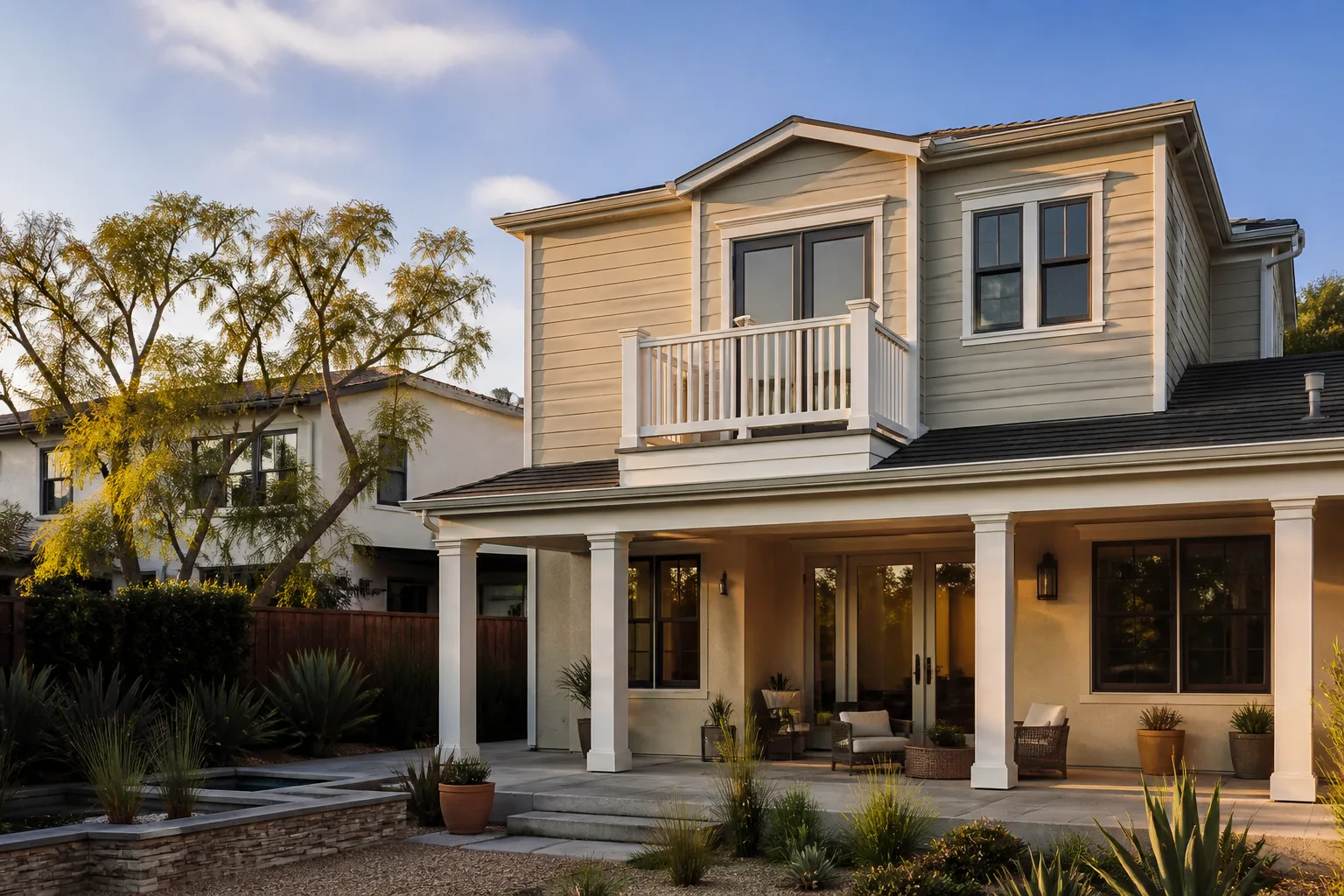
Here are real numbers for the jobs we do most often in San Francisco. These are planning ranges, not bids; your lot, your existing unit, and your finish choices move the final figure.
| Project | Typical Range | What Drives It |
|---|---|---|
| Room addition off existing Abodu unit | $85,000 – $165,000 | Foundation type, utilities, finish level |
| Bathroom addition inside Abodu shell | $45,000 – $90,000 | Drain lines, waterproofing scope, fixtures |
| Second-story addition over Abodu One | $220,000 – $380,000 | Structural engineering, stair integration, lateral upgrades |
| Bump-out addition (60 – 120 sq ft) | $55,000 – $110,000 | Roof tie-in, foundation extension, window/door work |
| Sunroom addition attached to Abodu Studio | $70,000 – $140,000 | Glazing, heating/cooling, site exposure |
What moves the price most in San Francisco is soil. A Sunset District lot on sand costs more to foundation-engineer than a Noe Valley hillside on rock. Access matters too: if materials have to come up 40 stairs from the street, the labor line reflects that. We give you the written number before any work starts, and that number does not change unless you change the scope. Call (707) 760-0502 for a free estimate on your specific Abodu addition.
Why San Francisco Homeowners Call Lodgewick ADU San Francisco for Abodu Work
Abodu owners call us because we’ve actually been inside the units, opened up the walls, and fixed what we found. Russ Delmar and the crew have worked on Abodu homes across San Francisco for the better part of a decade, including projects within a few blocks of Dolores Park where Victorian lot lines make every addition its own puzzle. He walks every site before he quotes a number; if you ask him how he prices, he’ll tell you: “Tell me what the space needs to do, and we’ll figure out how to build it right.” Every project runs under The Kingswell Guarantee: written price first, a real arrival window, a clean job site, and a written guarantee delivered before work begins. If something fails within 365 days, we come back free. We also work with Cover and Dvele units regularly, so when a homeowner has a mixed-property portfolio or is deciding between prefab brands, we can talk straight about trade-offs instead of pushing one product. And when you call us at (707) 760-0502, a live person answers. Not a voicemail. Not a chatbot. That matters more than people think until they’ve been burned.
FAQs
No, it doesn’t automatically void anything. Your Abodu warranty covers manufacturing defects in the factory-built components, and an independent contractor’s work on additions or modifications doesn’t eliminate that coverage by itself. That said, some warranty claims get complicated if the work we did directly caused the failure. We keep clear records of what we touched and what we didn’t, and we carry our own written guarantee on everything we build. Call (707) 760-0502 if you want us to look at your specific unit and paperwork, free.
Usually, yes. Abodu’s standard interior finishes are specified and sourced from common trade lines, and we match paint, flooring, millwork, and fixtures closely enough that the addition doesn’t read as an afterthought. Where an exact material has been discontinued, we’ll show you the nearest current option before ordering. The goal is that the addition looks like it was always part of the plan.
Most room additions and bump-outs take two to six weeks of on-site construction time, assuming permits are already issued. Permit review in San Francisco typically adds four to twelve weeks before construction starts, depending on the scope and whether planning review is triggered. We give you a written schedule with defined arrival windows before work begins, and we hold to it.
Yes. We pull every required permit through the San Francisco Department of Building Inspection under our license, and we close out the final inspection before we call the job done. Unpermitted additions are a liability when you sell the property and a genuine safety risk for the people living there. We don’t build without permits, and we’ll tell you honestly if a project you’re considering would trigger a planning review that changes the timeline.
You call us, and we come back. Every project gets the 365-Day Done Right Promise in writing: if the work isn’t right within a year, we return and make it right at no charge. That covers workmanship and materials we installed. If a manufacturer defect shows up in the original Abodu components during that window, we help you document it and handle the claim. The guarantee goes in writing before work starts, and it’s the last document you get at closeout.
Written by Russ Delmar, Owner, Lodgewick ADU San Francisco at Lodgewick ADU San Francisco, serving San Francisco and nearby areas.


