
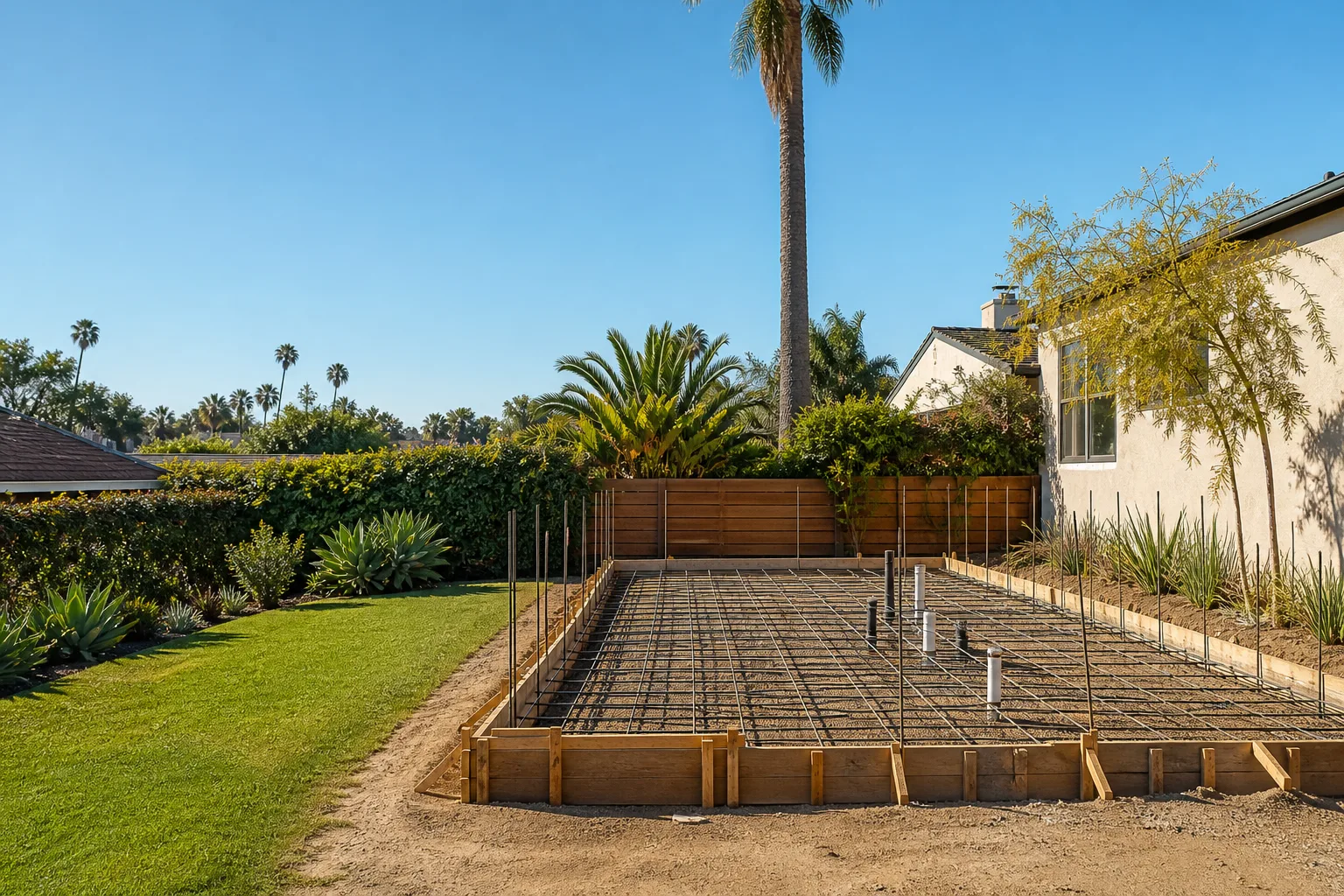
Cover Site Prep & Utilities: The San Francisco Owner’s Guide
Site prep and utility rough-in for a Cover unit in San Francisco typically runs $18,000 to $45,000 installed, depending on your lot’s slope, soil conditions, and how far the utility lines need to travel from the street or main house. We stock the excavation, foundation, and utility-stub components needed to get a Cover panelized unit set and connected, and in many San Francisco neighborhoods we can complete the site-side utility work within two to three weeks once permits clear. Most owners realize something’s wrong with their site prep when a retaining wall starts leaning after winter rains or a sewer stub backs up during the first season of occupancy.
Site prep isn’t a single part you can hold in your hand. It’s the underground and structural work that makes a Cover unit buildable: grading, compaction, foundation pads or piers, drainage, and the utility stubs that connect sewer, water, power, and data. When one piece of that system fails, the fix usually means digging. And digging on a San Francisco hillside lot is a different animal than digging on a flat suburban tract.
Which Cover Models This Applies To
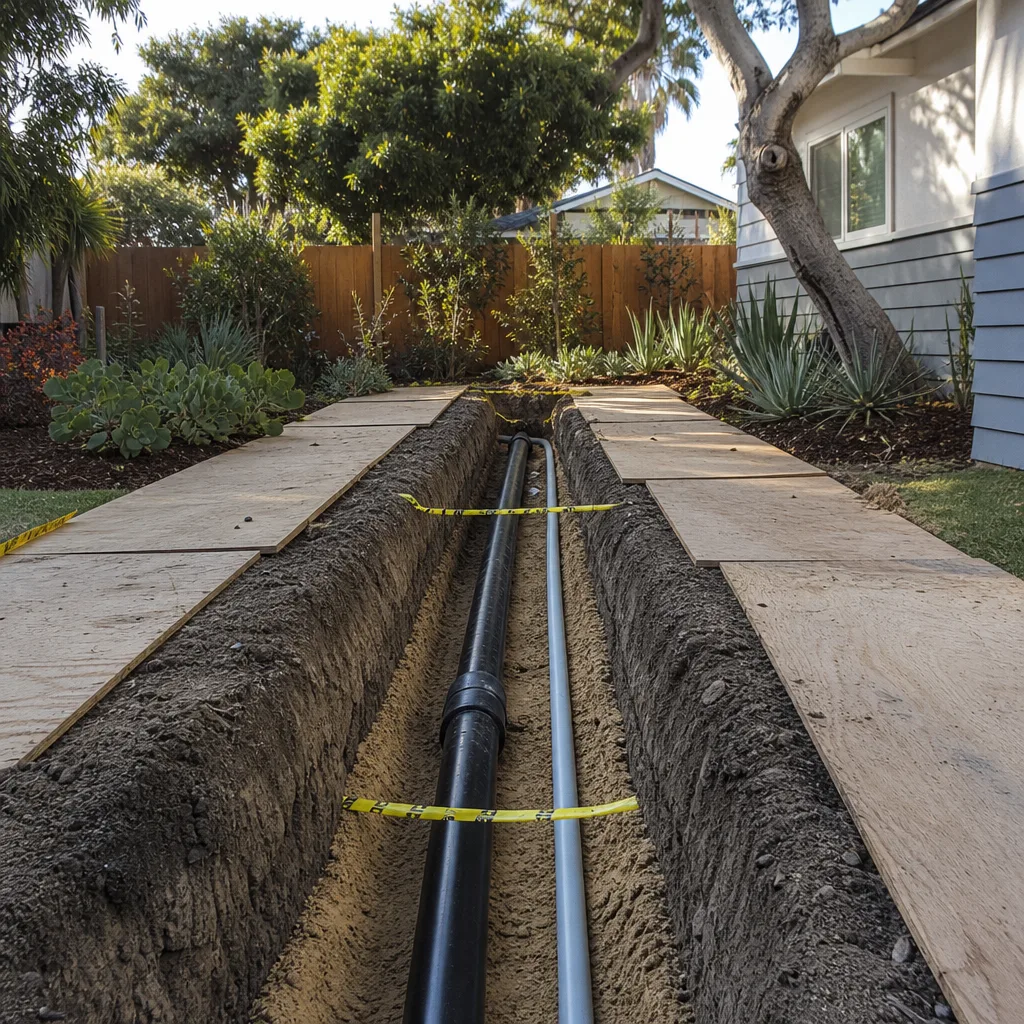
We work on the foundation, grading, and utility connections for Cover’s panelized ADU models, primarily the Cover One and Cover Studio lines, including both backyard-detached and garage-replacement configurations. Cover ships a steel-framed, panelized shell that gets set on site, which means your site prep has to be dimensionally exact. The foundation tolerance Cover’s installation teams work with is tight: the top of the pad or pier assembly needs to be within an eighth of an inch across a ten-foot run. That’s not a spec most general concrete crews in San Francisco are used to hitting, and it’s the number one reason we see Cover-specific failures where the site prep was done by someone unfamiliar with the product.
The site utilities themselves are fairly standard: a 200-amp electrical service stub, a 1-inch water supply line, and a 4-inch sewer lateral. What’s Cover-specific is how the utility stubs are positioned relative to the unit’s service chase, which runs along one short wall. If the stub is set even six inches off the specified offset, you’re looking at rework that means cutting into a freshly poured slab or trenching through new landscaping. We verify every offset against Cover’s current installation drawings before we pour anything, and we re-verify after the forms are set. Russ Delmar walks every Cover site before we quote, because he’s seen too many utility stubs set to last year’s drawing revision.
For replacement components, we stock OEM-spec foundation anchor assemblies, bolt cages, and utility riser sections matched to current Cover installation drawings. If a Cover unit is out of production for the part you need, we source quality aftermarket equivalents that match the dimensional and load specs, and we’ll tell you plainly when an aftermarket part is the right call versus when it’s worth waiting on OEM.
Signs Your Cover Site Prep & Utilities Is Failing
- Water pooling against the foundation edge after rain. This usually points to failed compaction or a drainage swale that’s settled below grade. In San Francisco’s winter wet season, hydrostatic pressure against a Cover unit’s base plate can start moving things within a single storm cycle.
- A sewer smell near the stub-out or slow drains throughout the unit. That’s almost always a bellied sewer lateral, which happens when the trench backfill settles and the pipe sags. We see it most on lots where the lateral runs through older fill soil common in the Sunset and Richmond districts.
- Cracking in the retaining wall or the pad edge within the first two years. Short-term cracking means the base material wasn’t compacted to spec or the wall wasn’t engineered for the actual retained height. San Francisco’s expansive clay soils in neighborhoods like Glen Park make this worse.
- Electrical flicker or tripped breakers when the unit runs a full load. This often traces back to an undersized service stub or a compromised conduit at the weatherhead. Cover units are all-electric, so the panel load is higher than most people expect for a small footprint.
- Uneven gaps where the Cover panels meet the foundation plate. The unit’s frame is rigid, which means it doesn’t flex to hide a foundation that’s out of level. A visible gap at one corner is a clear sign the pad or pier assembly has moved or was never within tolerance.
Replacement Cost & What’s Included
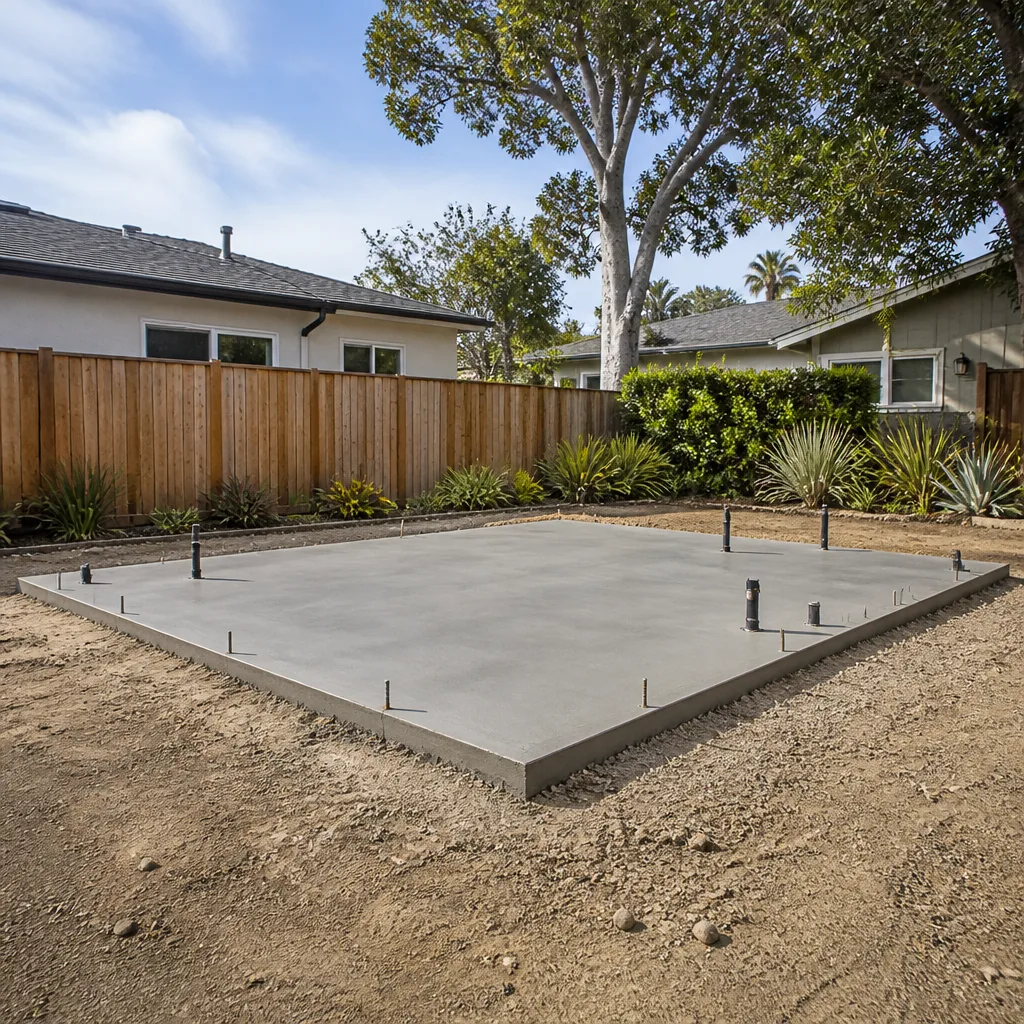
Here’s what Cover site prep and utility repairs actually cost in San Francisco, broken out by scope. Prices include labor, materials, and haul-off unless noted.
| Work Scope | Typical Installed Range |
|---|---|
| Site assessment and utility locating | $450 – $900 |
| Foundation level correction (pad shim or pier adjustment) | $2,500 – $6,000 |
| Sewer lateral replacement (up to 40 feet) | $6,500 – $14,000 |
| Electrical service stub repair or upgrade | $3,000 – $8,500 |
| Retaining wall rebuild (up to 6 feet, engineered) | $12,000 – $28,000 |
| Full site prep for a new Cover unit | $18,000 – $45,000 |
What drives the range: access (whether we can get a mini-excavator into the yard or everything is hand-dug), soil conditions, how far the sewer lateral runs, and whether the work triggers a new engineering review or permit amendment. In San Francisco, that last one is real: if your repair changes the foundation or the retaining wall’s structural design, the building department will want a new detail stamped. We handle the permit scope as part of the quote, and every quote is a written, line-item price. No change orders at the door. The Kingswell Guarantee covers the work for 365 days, and if something isn’t right, we come back and make it right, in writing.
DIY or Call Us?
Here’s the straight answer. You can safely do the observation side: watch where water pools after rain, check your panel for tripped breakers, run a hose at the stub-out to see if it drains. You should not dig near a sewer lateral or electrical service line yourself. San Francisco’s utility depths vary, and hitting a 240-volt service drop or a gas line while trenching can kill you or burn the block. We’ve also seen homeowners try to re-grade a settlement problem with bagged sand and a tamper, which works for about six months until the next wet season undoes it.
If you’re seeing cracks, settling, or drainage problems around a Cover unit, call (707) 760-0502. We’ll walk the site, tell you what’s actually wrong, and put the repair price in writing before any dirt moves.
FAQs

A properly compacted pad with drainage done to spec should last 30 years or more, but the weak point in San Francisco is almost always the retaining wall or the sewer lateral, not the foundation itself. Expansive soils and seismic movement mean we design for movement from day one.
Often yes. A single settled corner can be corrected with pier adjustment, and a bellied lateral section can sometimes be lined rather than replaced. We’ll tell you if a partial fix makes sense or if you’re just buying time. Call (707) 760-0502 for an assessment.
Most foundation corrections and utility stub repairs take two to four days once permits are in hand. A full retaining wall rebuild runs two to three weeks. We’ll give you a written timeline with the quote, not a vague “soon.”
We keep anchor assemblies, bolt cages, and utility riser sections matched to current Cover drawings on hand in San Francisco, and we can source OEM or quality aftermarket equivalents for older revisions within a week. It means you’re not waiting on a container shipment from a factory in Arizona when the part fails here.
Written by Russ Delmar, Owner, Lodgewick ADU San Francisco at Lodgewick ADU San Francisco, serving San Francisco and nearby areas.


