
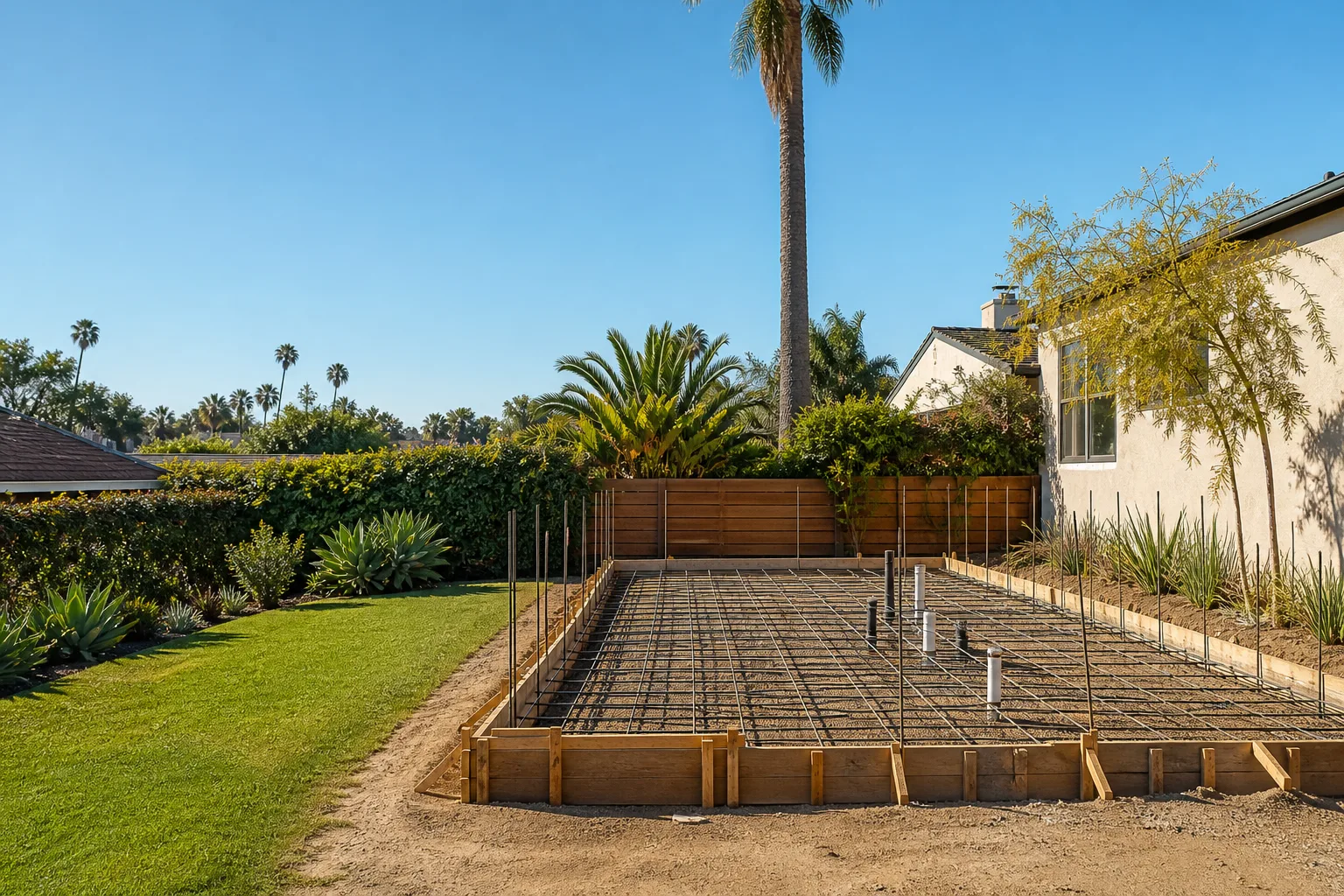
Dvele Site Prep & Utilities: The San Francisco Owner’s Guide
Site prep and utilities for a Dvele panelized home in San Francisco typically run $38,000 to $145,000 installed, depending on your lot’s slope, soil, and how far PG&E and San Francisco Water have to extend service. Most Dvele owners discover a problem the hard way: a project stalls at the permit desk, a trencher hits an unmarked line, or the foundation survey comes back with a slope number the original estimate never accounted for. We stock the site-prep materials and utility-spec parts Dvele builds require, and we keep a live person on the phone at (707) 760-0502 when you need to know what’s wrong and what it costs to fix.
We’re an independent San Francisco ADU contractor. We work with Dvele homes regularly, but we’re not a Dvele company, and we don’t pretend to be. What we do is handle the ground-level work Dvele’s factory doesn’t touch: excavation, grading, foundation pads, trenching, sewer laterals, water service, electrical service, and the overhead-or-underground utility coordination that makes or breaks a San Francisco installation. Russ Delmar has been walking these lots long enough to know that a 12-inch sewer lateral running through a hillside in the Mission behaves nothing like one in the flatlands of the Sunset.
Which Dvele Models This Applies To
Dvele’s current lineup includes the Dvele IQ series, the Dvele Adapt, and the Dvele Balance, all built as panelized systems that arrive on a truck and assemble on a site-built foundation. The site prep and utilities package doesn’t change much between models; what changes is the foundation spec, the electrical service requirement, and whether your lot in San Francisco triggers a geotechnical peer review before any dirt moves.
Here’s the compatibility gotcha: Dvele’s engineering package assumes a level foundation pad within a quarter-inch tolerance across the full footprint. Older San Francisco lots, especially those with any fill history, rarely meet that without over-excavation and engineered compaction. We identify what your specific Dvele model needs by reviewing the stamped foundation plan against the geotech report and the Department of Building Inspection’s site permit history, not by eyeballing the yard. If you’re looking at an aftermarket foundation spec or a local engineer’s substitution, we’ll tell you whether it will pass Dvele’s factory QA before you spend a dollar on concrete. OEM means the part arrives with Dvele’s spec sheet attached; aftermarket means a local equivalent sized to the same load and utility requirements. For most San Francisco lots, a well-engineered aftermarket foundation works, but the tolerance call belongs to Dvele’s engineering team, not the concrete crew.
We also stock site-prep parts for Abodu and Cover, so if your project pivots from one panelized builder to another mid-planning, we can keep the groundwork moving.
Signs Your Dvele Site Prep & Utilities Are Failing
- Water service pressure drops unevenly across fixtures. This usually traces to an undersized line from the street meter or a kinked PEX run at the curb stop. San Francisco’s rolling pressure zones mean a line sized for the Inner Sunset may not hold up on a Twin Peaks slope.
- Sewer lateral backs up into the lowest drain. Older neighborhoods like the Richmond and the Mission still run clay laterals from the 1920s. Tree roots, offset joints, and a new ADU’s added flow expose a lateral that was marginal before the Dvele ever arrived.
- Trench settles after backfill. If utility trenches weren’t compacted in lifts, the first rainy season in San Francisco will settle them into visible dips. This becomes a trip hazard and a drainage problem, and it’s a sign the compaction wasn’t done to spec.
- Electrical panel trips when the heat pump and dryer run together. Dvele’s all-electric design pulls real amperage. A 100-amp service that worked for a 1940s bungalow won’t feed a Dvele with an induction range, heat pump, and EV charger without a service upgrade.
- Foundation slab shows hairline cracks within a year. On expansive clay soils, common in parts of San Francisco’s hillside districts, a slab poured without the right base rock and moisture control will crack as the soil swells and shrinks through wet and dry seasons.
Replacement Cost & What’s Included
Here’s what San Francisco homeowners should expect to pay for the site prep and utilities work a Dvele requires:
| Scope | Typical San Francisco Range | What’s Included |
|---|---|---|
| Site survey, geotech, and foundation engineering | $6,000 – $14,000 | Topographic survey, soil boring, stamped foundation and retaining wall plans |
| Excavation and grading | $8,000 – $28,000 | Over-excavation where needed, compaction, hauling, import of engineered fill |
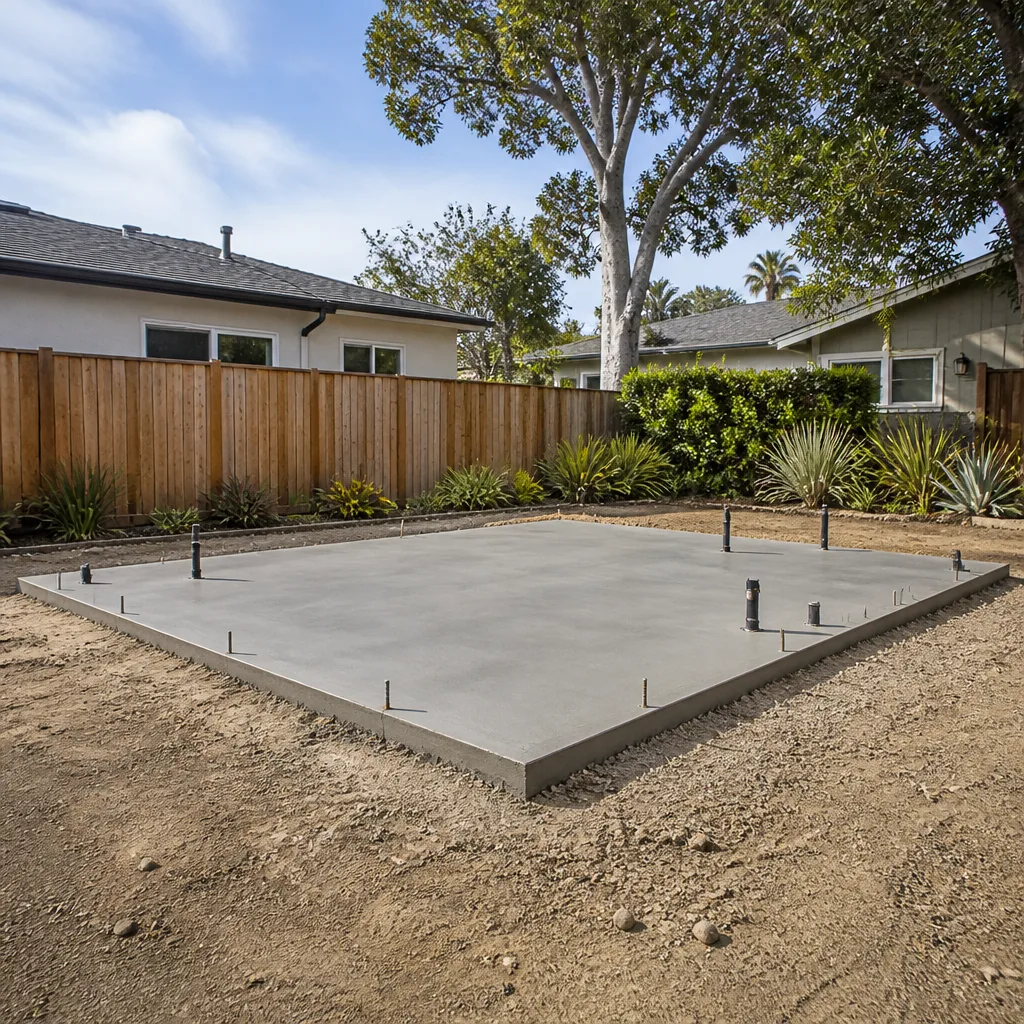
| Foundation pad and footings | $12,000 – $38,000 | Forms, rebar, inspection, concrete pour, and tolerance verification |
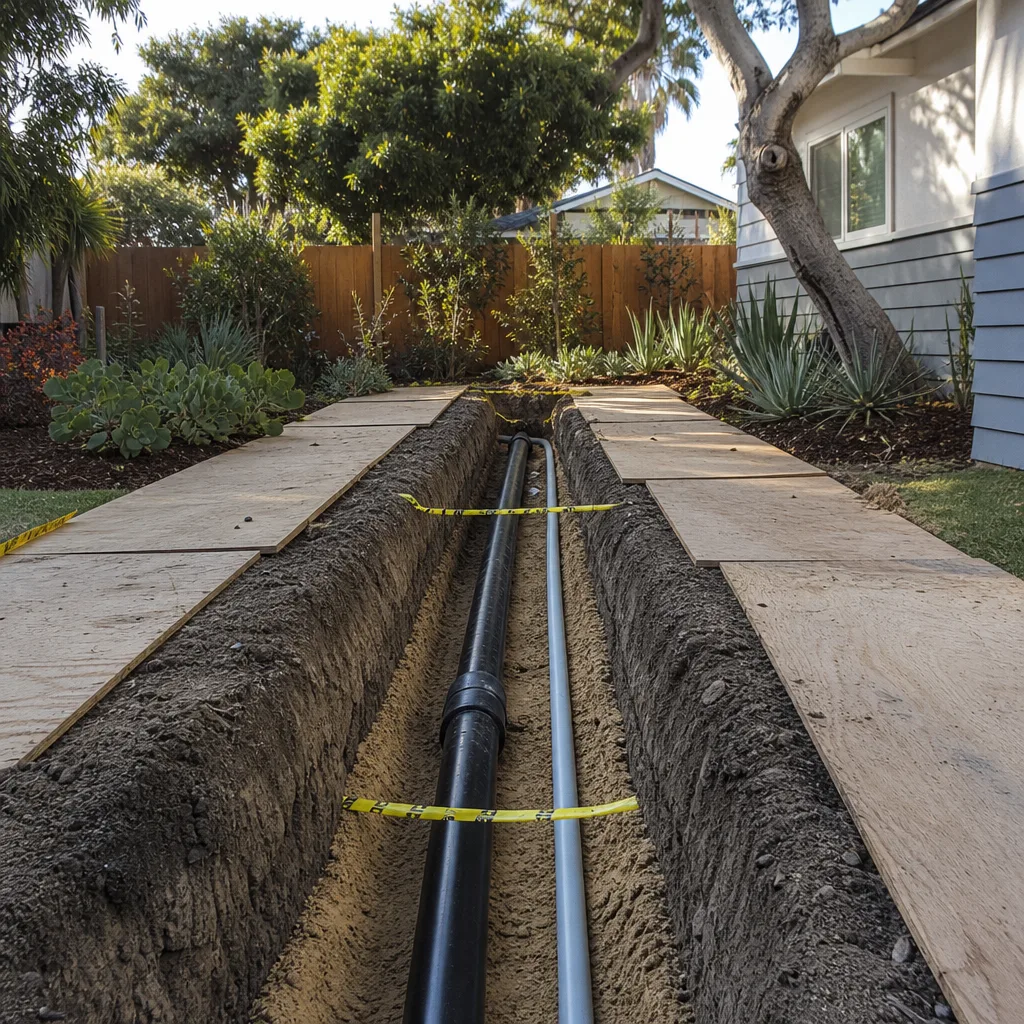
| Utility connections (water, sewer, electric, sometimes gas) | $8,000 – $35,000 | Trenching, lateral replacement or repair, service upgrade, PG&E coordination, SF Water and DBI permits |
| Site drainage and erosion control | $3,000 – $12,000 | Swales, French drains, downspout tie-ins, silt fencing, and BMPs required by San Francisco’s stormwater rules |
What drives the top end in San Francisco: hillside lots with retaining walls, any property in a liquefaction zone (much of the Marina and SoMa), long utility runs from the street, or a property that requires PG&E to pull a new transformer. We give every Dvele owner a written price before any work starts. That number includes parts, labor, permits, and the equipment. The 365-Day Done Right Promise covers this work in writing: if any part of the site prep or utility install fails within a year, we come back and make it right at no charge. No change orders at the door, no finish-line surprises.
DIY or Call Us?
Some prep work is safe to handle yourself: clearing brush, marking irrigation lines you know about, pulling old fence posts, or laying down temporary erosion cloth. That’s honest work that saves you money.
What you should not do: dig a trench deeper than 18 inches without calling 811 and confirming the utility locates, pour a structural slab without a geotech report and a DBI inspection, or tie into an existing sewer lateral without pulling the lateral permit and having the work witnessed. A botched sewer connection in San Francisco can contaminate a neighbor’s line, and a mis-sized electrical service is a fire risk, not a weekend project. The equipment, the inspections, and the liability aren’t worth the savings on this part of a Dvele build. If you’re unsure whether a specific task is in the safe zone, call (707) 760-0502 and ask. We’ll tell you straight, even if the answer is “you can do that yourself.”
FAQs
Done to spec, foundation and utility work should last the life of the home: 50 years or more for concrete and copper or HDPE lines, 30 to 40 years for standard electrical panels before an upgrade makes sense. The weak points in San Francisco are the sewer lateral (clay lines from the 1920s fail constantly) and trench settlement from poor compaction, both of which fail within the first three years if done wrong. Call (707) 760-0502 for an assessment of what your specific lot is dealing with.
Sometimes. A settled trench can be re-compacted and resurfaced, a leaking water line can be spot-repaired with brass compression fittings, and a panel can often be upgraded without replacing the service drop. But a foundation out of tolerance for Dvele’s spec usually needs to be removed and re-poured, and an undersized sewer lateral usually means a full replacement run from the house to the city main. We’ll tell you which camp you’re in before any work is quoted.
A utility repair or panel upgrade is typically 1 to 3 days. Full site prep with excavation, foundation, and all utility connections for a new Dvele usually runs 3 to 6 weeks in San Francisco, with the city’s inspection schedule driving part of that. We’ll give you a written timeline when we quote the job, and the arrival window is part of The Kingswell Guarantee.
Yes. We keep common San Francisco-spec components on hand: 2-inch HDPE water service with brass compression fittings, 4-inch Schedule 40 PVC and ABS laterals, 200-amp meter-main panels, trench drain grates, and geogrid for retaining walls. For Dvele-specific foundation anchors and hold-down hardware, we order factory-matched parts and have them on site before the concrete pour. If you need something specific, call (707) 760-0502 and we’ll check the truck.
If your Dvele project is stuck on site work, or the utilities in your existing unit are failing, call us at (707) 760-0502. We’ll give you a straight answer and a written price. Russ Delmar grew up around framing squares and foundation plans, studied construction technology at Los Angeles Trade-Technical College, and has spent nearly a decade working San Francisco lots, including projects within a few blocks of Dolores Park where Victorian lot lines make every build its own puzzle. He walks every site before he quotes a number. Tell me what the space needs to do, and we’ll figure out how to build it right.
Written by Russ Delmar, Owner, Lodgewick ADU San Francisco at Lodgewick ADU San Francisco, serving San Francisco and nearby areas.


