
James Hardie Home Addition Contractor in San Francisco: What to Know First
We’re an independent James Hardie home addition contractor in San Francisco, and we work on room additions, second story additions, sunrooms, bump-outs, and garage conversions that use James Hardie siding and trim. Most San Francisco addition projects involving Hardie materials take 8 to 16 weeks depending on scope, permitting, and whether the addition ties into the existing roofline or stands as a separate volume. Pricing for a James Hardie-clad addition in San Francisco typically lands between $350 and $550 per square foot of new conditioned space, with the Hardie siding and trim representing roughly 8 to 12 percent of that total. If you own a home wrapped in HardiePlank or HardiePanel and you’re planning an addition, this page covers what actually matters: how Hardie products behave during an addition, what fails, what it costs, and how to keep the warranty intact. Call (707) 760-0502 for a written estimate before any work starts.
Key Takeaways
- James Hardie siding and trim on an addition should match the existing install method, exposure, and paint system, or the new work will read as a patch, not part of the house.
- Hardie products fail differently in San Francisco than they do inland: fog-driven moisture, salt air near the Avenues, and long wet seasons punish bad flashing more than UV does.
- Most Hardie failures on additions are not the board failing. They are the joints, the flashing, or the fasteners behind the board failing.
- We provide written pricing before any work starts, and every job carries the 365-Day Done Right Promise in writing.
- We are not affiliated with or authorized by James Hardie. We are an independent James Hardie service provider, and we say so plainly.
How James Hardie Products Fail – and How We Fix Them
James Hardie makes good fiber cement. It fails anyway, and in San Francisco it fails in predictable ways. Here are the five most common failure patterns we see on addition projects, and what we do about each one.
- HardiePlank lap siding with butt joints that open at the seams. HardiePlank is installed with a 1/8-inch gap at butt joints, which gets caulked or flashed. In San Francisco’s wet winters, that caulk eventually separates from the board edge, and water gets behind the plank. The symptom you’ll notice is a vertical crack in the paint at the joint, or a faint bulge under the paint surface. The fix is pulling the affected boards, checking the weather barrier behind them, and reinstalling with proper joint flashing behind each butt. We do not just recaulk. We have seen recaulked joints blow open within two fog seasons on the west side.
- HardiePanel vertical siding with wicking at the bottom edge. HardiePanel sheets are 4×8 or 4×10, and the bottom edge must sit above grade with a proper drip edge. On garage additions and bump-outs where the framing sits close to a poured slab, we regularly see panels cut so close to the concrete that they wick moisture up through the raw edge. The panel swells at the bottom third, paint peels in a horizontal band, and the panel starts to crumble at the cut line. Fix is removing the panel, trimming the bottom edge clean, installing a metal Z-flashing or drip cap, and repainting with the proper factory-recommended system.
- HardieTrim boards rotting at exposed cut ends. HardieTrim is a fiber cement trim board, and the material itself is moisture-resistant, but any factory edge that gets field-cut and left unsealed will absorb water at the cut face. In San Francisco we see this on window surrounds and corner boards where the painter primed the face but missed the cut end. The trim swells, the paint cracks, and within two years the corner board looks waterlogged. The OEM fix is to seal every field cut with an approved primer before installation. We paint the cut ends before we nail the board up, and we note it in the written scope so you can see the step was done.
- Fastener failure: nails popping or rust streaking. Hardie requires corrosion-resistant fasteners, and in San Francisco’s marine air, plain electroplated nails fail fast. The symptom is rust streaks running down from nail heads, or nail heads that have worked their way out of the board face over time. On additions near Ocean Beach, the Richmond, or the Sunset, we spec stainless steel fasteners, not just hot-dip galvanized. The difference in material cost is a few hundred dollars on a sunroom addition; the difference in lifespan is the difference between a 10-year siding and a 30-year siding.
- ColorPlus finish mismatch on additions. James Hardie’s ColorPlus pre-finish system is a factory applied, baked on finish, and matching it on site is not possible with a trip to a paint store. When we add onto a home with ColorPlus siding, we order the matching ColorPlus product for the new work, and we do not attempt to field-match a factory finish with standard exterior paint. If the existing siding is faded from coastal sun, we have a detailed conversation about whether to accept a slight factory new variation or repaint the whole elevation for a clean reveal. San Francisco homeowners who have done this before appreciate being told the truth before the siding goes up.
Our James Hardie Home Addition Contractor Process
We follow a set order on every James Hardie addition job, and we put it in writing so you know what happens and when.
- 1
Site walk and scope review. Russ Delmar walks the property before he quotes anything. We look at the existing Hardie lines, exposure, reveal, condition, and any areas where the old siding has failed. We also check how the new addition will tie into the existing wall plane, roof line, and drainage.
- 2
Written price and schedule. We give you a written price before work starts, with the Hardie scope itemized separately so you can see exactly what the fiber cement portion costs. No price changes at the door. No surprises.
- 3
Permit handling and plan coordination. Most San Francisco additions need permits, and we pull them. We coordinate with your architect or designer if you have one, and we check the plans against what we found on site before we order Hardie material.
- 4
Demolition and framing, with a Hardie-specific tie-in plan. We remove only what must come off, and we protect the existing Hardie so we don’t create new damage while opening the wall for the addition.
- 5
Siding, trim, flashing, and paint. All Hardie cuts get sealed on the cut edge before install. All butt joints get flashed behind. Fasteners are stainless where the marine air demands it. Trim gets primed on every cut face.
- 6
Final walkthrough, test, and the written guarantee. We test the water tightness of the new work and walk the addition with you. Then you get the 365-Day Done Right Promise in writing. If the work fails within the year, we come back and make it right. That is not a verbal thing. It is the agreement.
What James Hardie Home Addition Contractor Costs in San Francisco
Costs for James Hardie home additions in San Francisco depend on the scope of the new space and how much existing Hardie must be removed and reinstalled to tie in the addition.
- Room addition with HardiePlank siding match: $350 to $500 per square foot of new conditioned space, including tie-in demolition, framing, Hardie siding, trim, paint, and flashings.
- Second story addition, including full Hardie re-side of the new upper level: $450 to $600 per square foot, because roof removal, structural work, and access scaffolding add cost.
- Sunroom or bump-out addition: $300 to $450 per square foot, lower if the addition is slab on grade and the existing Hardie wall can be opened with minimal damage.
- Garage addition or garage conversion with Hardie exterior upgrades: $250 to $400 per square foot, depending on whether the garage shell is reused or partially rebuilt.
- Standalone Hardie siding repair or re-side without adding space: $18 to $30 per square foot of wall area for full removal and replacement with new HardiePlank or HardiePanel, installed with proper flashing and paint.
What moves the price: the condition of the existing Hardie where the addition ties in, whether the home has ColorPlus finish that must be factory ordered, and whether scaffolding is needed for a taller wall. We give the exact number in writing after the site walk. Call (707) 760-0502 to schedule the free estimate, and you will get a line item price, not a range.
Why San Francisco Homeowners Call Lodgewick ADU San Francisco for James Hardie Work
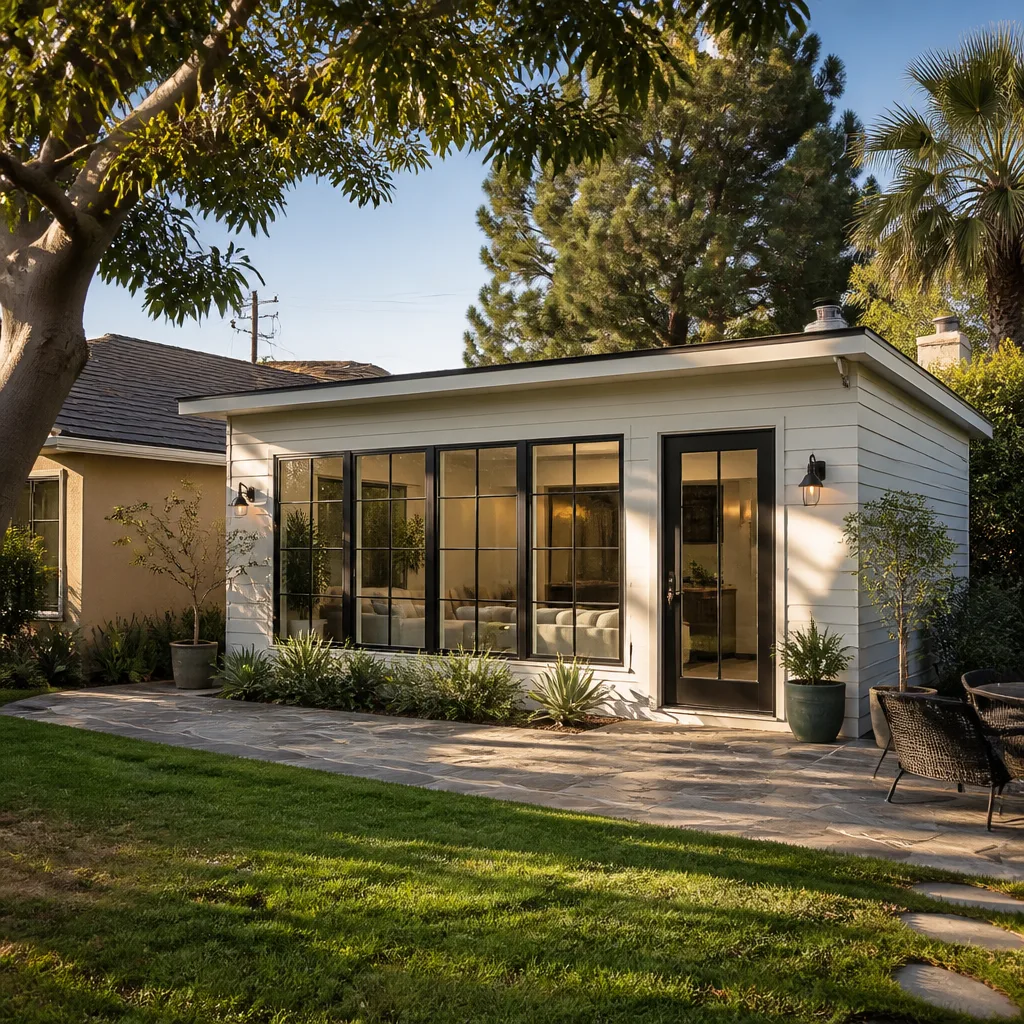
Most homeowners who call us have already been through the part where the price changed at the door or the crew never came back. That is the customer we built this process for. We operate under The Kingswell Guarantee, which is a specific set of written commitments: a written price before work starts, a real arrival window, a clean job site, and a written guarantee on every project. Our 365-Day Done Right Promise means if the Hardie work on your addition fails within a year, we return and fix it at no charge. The guarantee is in writing, not in a handshake.
We also know the adjacent brands you might be considering for your addition. We have hands on familiarity with Abodu, Cover, and Dvele prefab systems, along with James Hardie siding and trim, so if you are weighing a prefab addition against a conventional framed one, we can tell you how the siding and cladding decisions differ for each. And our phones are answered by a live person, 24 hours a day. Not a voicemail tree. When you call about your James Hardie addition project, a human picks up.
FAQs
Adding onto your home does not void the James Hardie product warranty on the existing siding, as long as the addition work does not damage the original boards and the new Hardie material is installed according to the manufacturer’s published installation requirements. What can compromise a warranty claim is poor installation on the new work, or modification of the existing boards during tie-in. We install to James Hardie’s published specs and we document the work, so if a warranty question comes up later, you have a record of how the addition was handled. Call (707) 760-0502 if you want to talk through your specific situation before you commit to a build.
If your home has James Hardie ColorPlus prefinished siding, we can order the same ColorPlus product and color for the addition, and in most cases the factory finish will be an acceptably close match. If your existing siding has faded significantly from coastal sun and fog exposure, a perfect match is not realistic, and we will tell you that before we order material. If your siding was field painted, we match the paint system to the existing elevations and repaint the new Hardie to blend. A site walk is the only honest way to answer this question for your specific house. Estimates are free.
We use genuine James Hardie products on additions, full stop. The brand has enough market presence in San Francisco that we can source HardiePlank, HardiePanel, HardieTrim, and HardieBacker through our regular suppliers without extended lead times. For fasteners, flashing, and weather barrier, we choose the products that perform best in San Francisco’s fog and salt air, and we spec stainless steel fasteners on west side projects. We do not substitute generic fiber cement for James Hardie on a Hardie-clad home, because the reveal, texture, and paint behavior never match exactly.
Most James Hardie additions in San Francisco take 8 to 16 weeks start to finish, and the majority of that time is usually permitting and inspections, not construction. The actual siding and trim phase on a typical single story room addition takes 2 to 3 weeks, including prep, install, flashing, paint, and site cleanup. If your project involves a second story addition or major structural work, add another 3 to 6 weeks for engineering review and foundation work. We give you a written schedule as part of the estimate, and we show up inside the window we give you.
No. The Kingswell Guarantee is built on written pricing before work starts, and we hold to the number in the written estimate unless you change the scope. If we open the wall and find something we could not have seen from the outside, we stop work, show you what we found in person, and give you a written change order before we proceed. You approve it in writing or you do not, and there is no pressure either way. That is how every addition should work, and it is how ours works.
Contact Lodgewick ADU San Francisco for James Hardie Home Addition Work
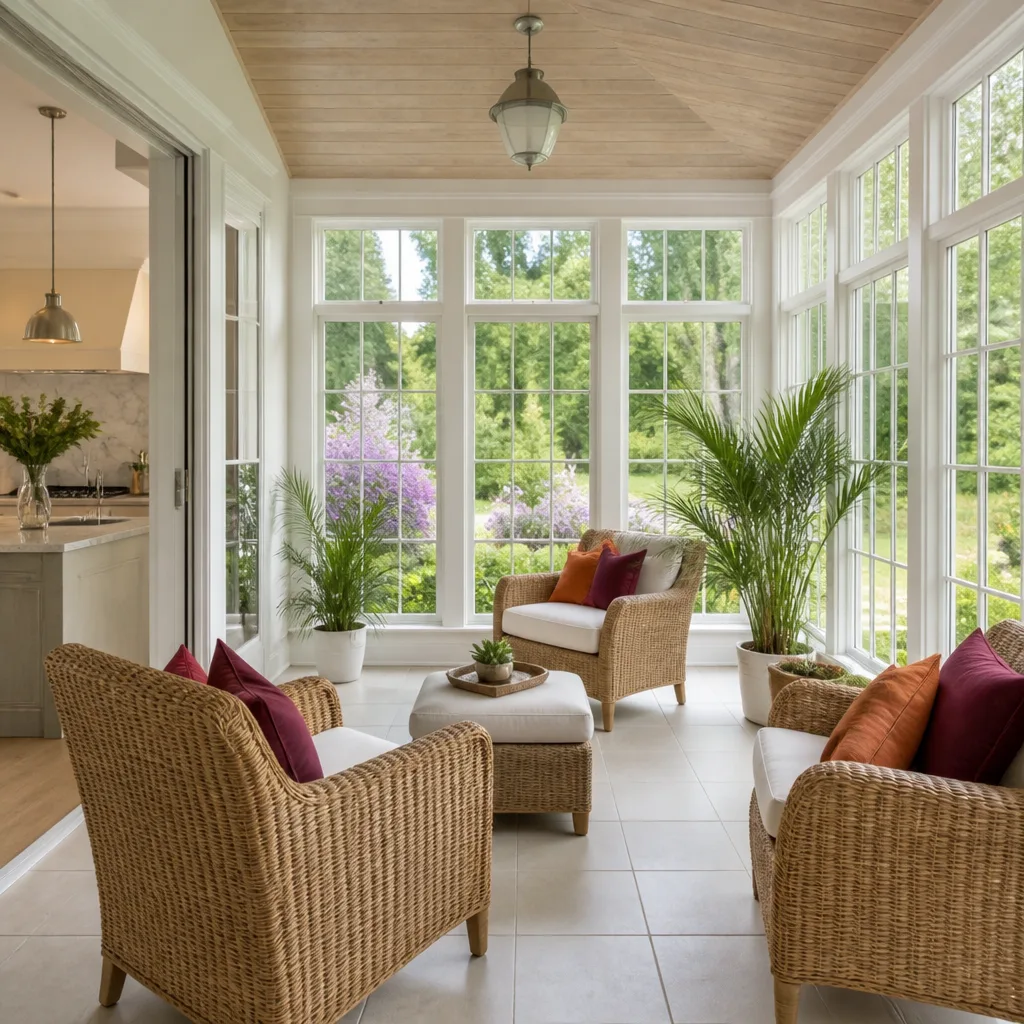
If you are planning a room addition, second story addition, sunroom, bathroom addition, garage addition, or bump-out on a James Hardie-clad San Francisco home, call us for a straightforward, written estimate. Russ Delmar walks every site before quoting, and we will tell you exactly what the Hardie scope involves, what it costs, and what the tie-in to your existing siding will look like when it is done. Call (707) 760-0502 to schedule your free estimate. A live person answers the phone, and we keep our commitments in writing.
Written by Russ Delmar, Owner, Lodgewick ADU San Francisco at Lodgewick ADU San Francisco, serving San Francisco and nearby areas.


